
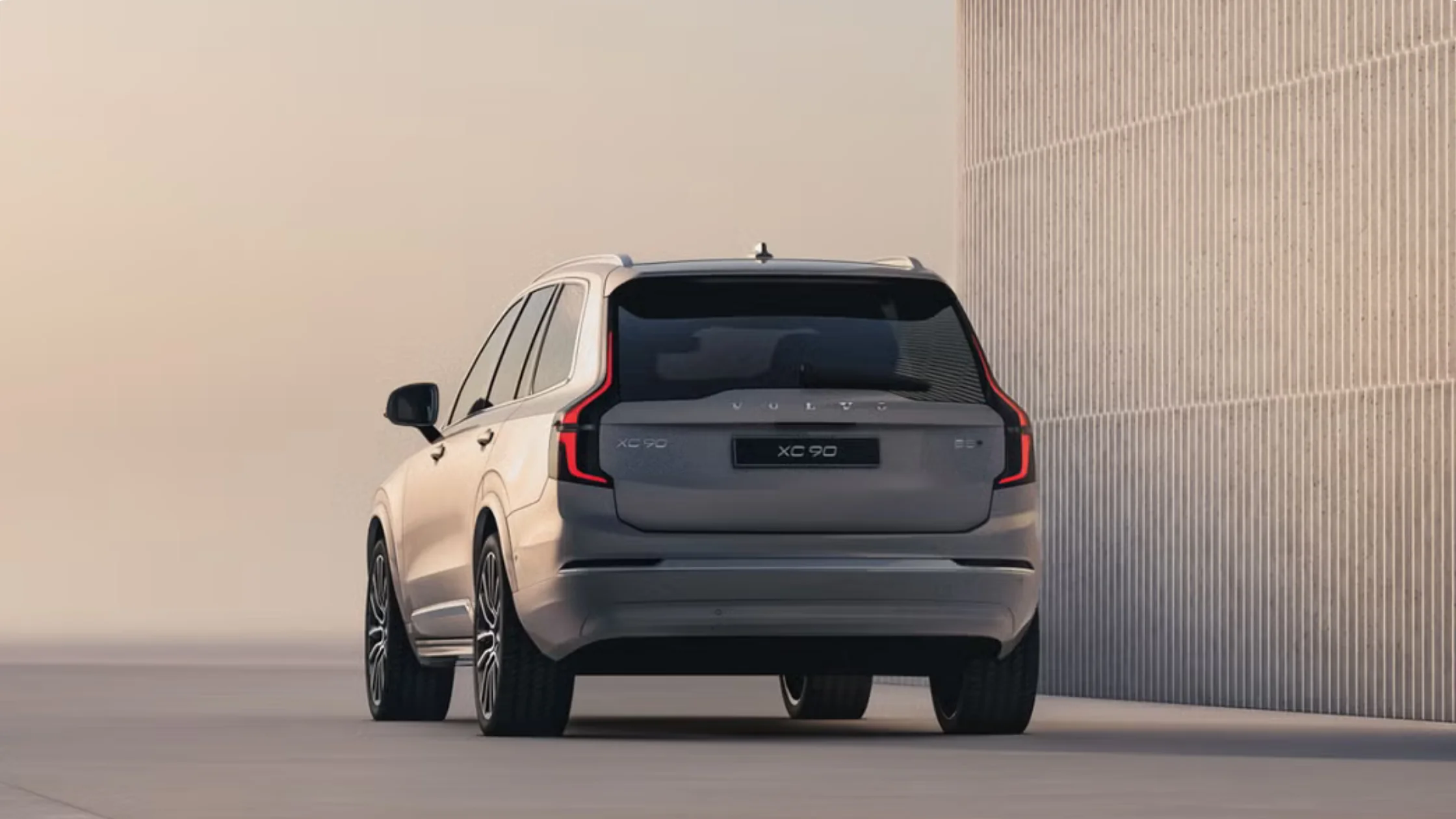
The 2026 Volvo XC90 presents a mild hybrid SUV designed with systems that support stable performance, controlled efficiency, and practical capability. It is offered with configurations that seat six or seven occupants and includes a structure engineered to manage weight distribution and drivetrain activity in a consistent manner. Every component within the model's available powertrains and supporting systems operates with a clear technical function intended to produce smooth acceleration, measured power delivery, and predictable operation across varied driving environments.
Mild Hybrid Powertrain Engineering
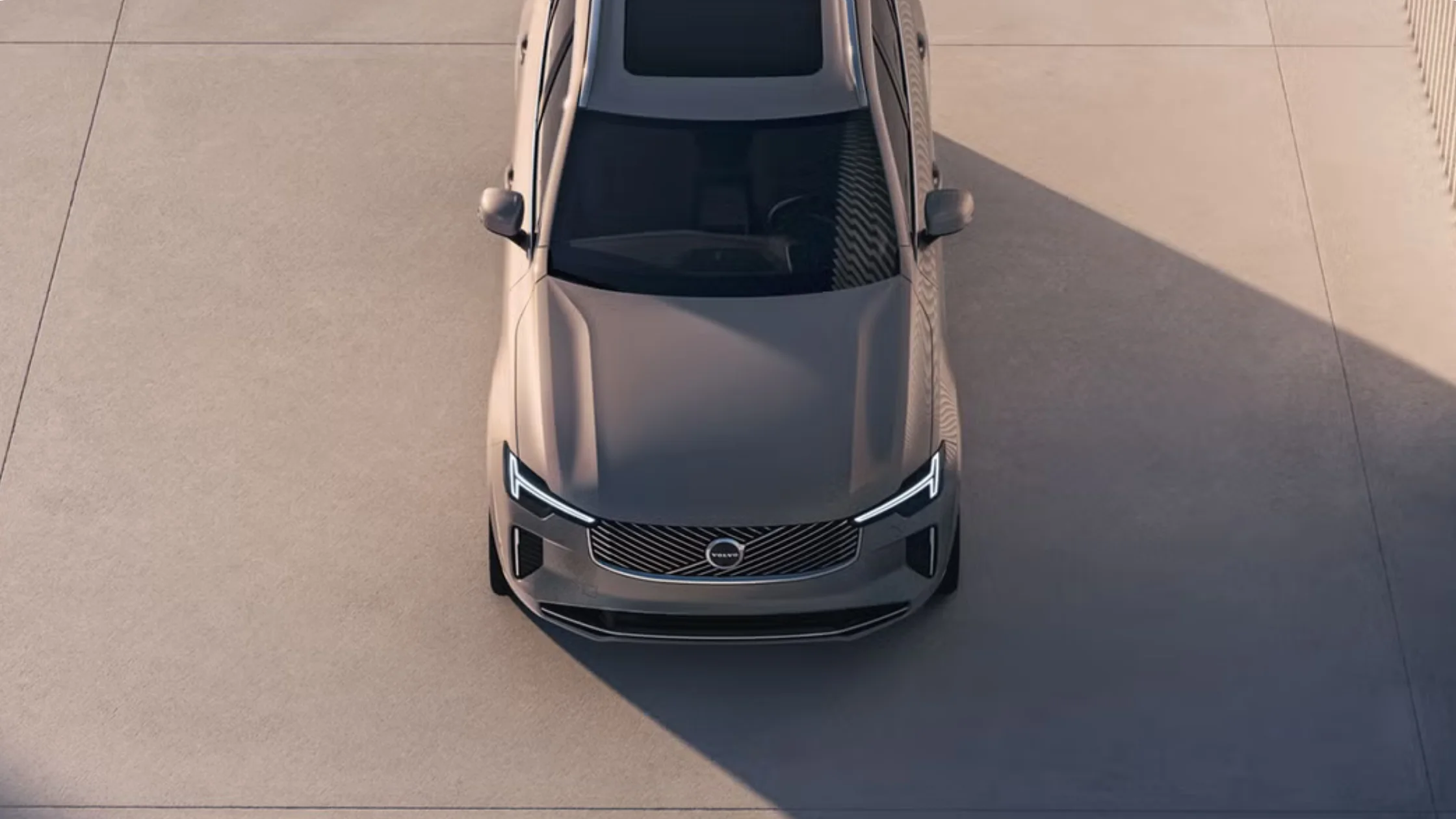
The 2026 Volvo XC90 offers two mild hybrid gas powertrains that use an e-supercharger and a turbocharger to support controlled pressurization of intake airflow. This arrangement improves low RPM responsiveness while maintaining steady performance at higher speeds. Each system works with an integrated starter generator that recovers kinetic energy during deceleration. The captured energy contributes to brief electrical support during takeoff and reduces strain on the internal combustion engine during transitions. The mild hybrid system also enables the start-stop function that turns the engine off during idling and restarts it smoothly when movement resumes. The operation of these systems is calibrated to minimize delay and reduce fuel consumption where possible.
The B5 AWD configuration produces up to 247 horsepower and maintains consistent throttle response through its forced induction setup. The B6 AWD configuration produces up to 295 horsepower and uses the same mechanical architecture with adjusted calibration to achieve a higher output ceiling. Both systems work with Volvo's programmed fuel injection strategy that manages fluid delivery based on engine temperature, selected gear, and throttle input.
Acceleration and Power Delivery Characteristics
Acceleration measurements show how each powertrain responds when the vehicle progresses from a complete stop to highway speed. The B5 AWD reaches 60 miles per hour in 7.3 seconds, while the B6 AWD completes the same acceleration in 6.4 seconds. Both operate through an eight-speed automatic transmission that maintains consistent gear transitions throughout the acceleration sequence. The transmission mapping uses gear ratios aligned with the torque characteristics produced by the mild hybrid systems. Lower gears support stronger initial pull aided by electrical assistance from the integrated starter generator. Higher gears maintain a stable power band for steady highway travel. Torque management between front and rear wheels is controlled by the on-demand all-wheel-drive system that distributes power as needed for traction. This system limits unnecessary power transfer during steady driving, which helps reduce energy loss.
Fuel Efficiency Structure
The 2026 Volvo XC90 includes a fuel tank with an 18.8-gallon capacity. Its mild hybrid configurations work with advanced engine management software designed to meet emissions compliance requirements. The B5 AWD configuration carries a combined EPA estimate of 26 miles per gallon. The B6 AWD configuration carries a combined EPA estimate of 23 miles per gallon. These values reflect the influence of electric assistance, reduced engine load during idling, and programmed combustion control. The start-stop function contributes by reducing the amount of fuel burned during idle periods.
Transmission Architecture and Drivetrain Coordination
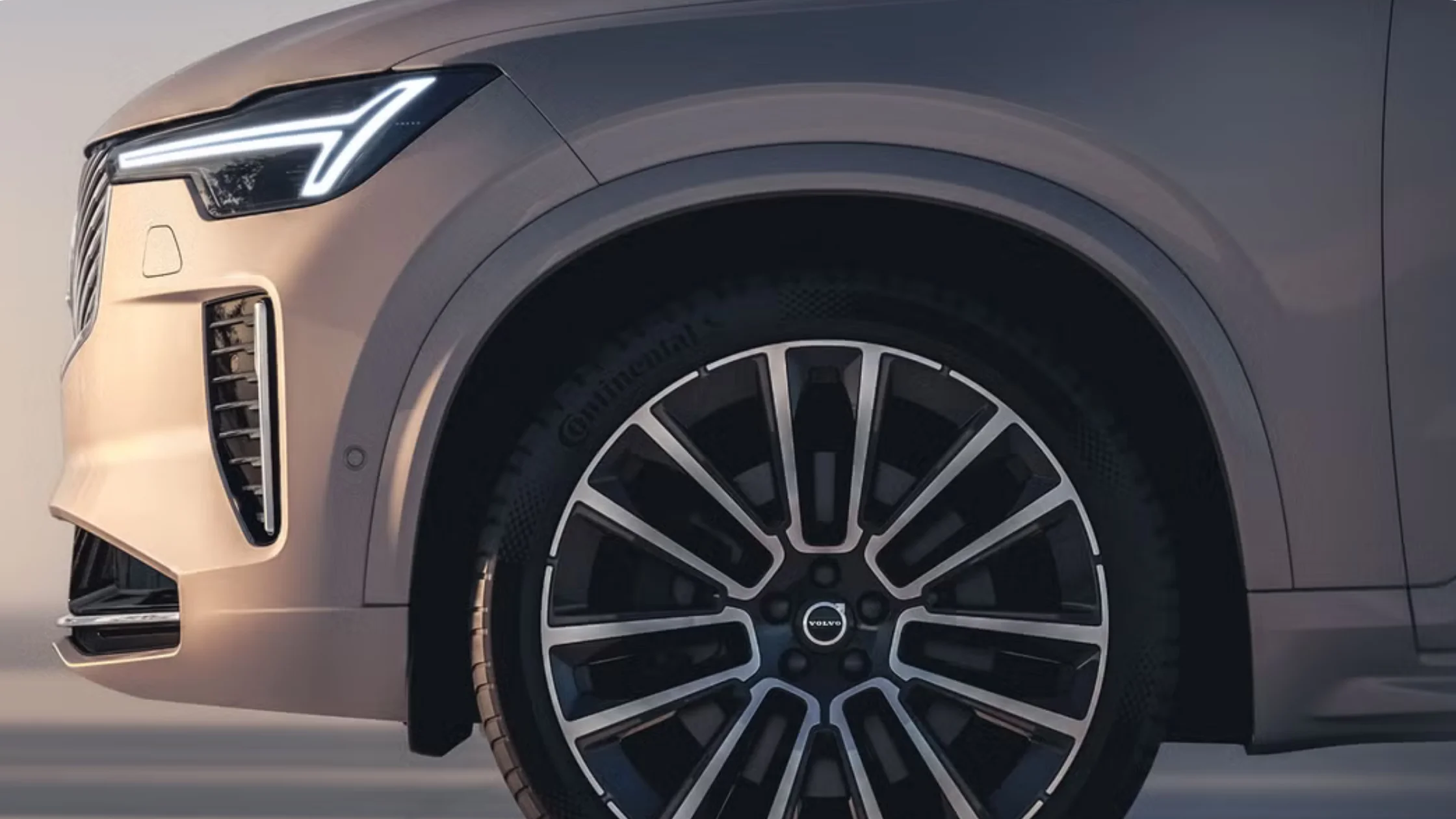
The eight-speed automatic transmission included in all 2026 Volvo XC90 mild hybrid configurations is designed for uniform gear selection and minimized shift lag. Its gear sequencing supports steady acceleration and a balanced response under varying load conditions. The hydraulic and electronic controls within the transmission interact continuously with the engine management system. This coordination ensures that throttle input, selected gear, and engine speed remain aligned for consistent motion. The transmission housing and internals are engineered to handle the torque generated by the forced induction mild hybrid engines.
The on-demand all-wheel-drive system monitors front and rear wheel activity and activates rear wheel support only when traction requirements increase. During routine travel the vehicle may operate primarily through the front wheels to conserve fuel. When surface conditions change or when additional traction is needed, power is routed to the rear wheels in measured increments. This improves stability during turns, inclines, and variable road surfaces and assists with controlled acceleration.
Chassis Behavior and Structural Dynamics
The body structure of the 2026 Volvo XC90 supports the drivetrain by limiting vibration transfer into the cabin and helping the suspension manage weight distribution. The suspension system is calibrated for consistent movement over uneven surfaces and controlled articulation around corners. This produces stable travel for both the six-seat and seven-seat interior layouts. The structural rigidity of the frame helps maintain predictable handling characteristics under load. The steering system works with electronic assistance to reduce driver effort and maintain precise directional control.
Interior Capacity and Configurable Space
The cabin of the 2026 Volvo XC90 incorporates seating structures designed to maintain passenger stability while offering adaptable interior spacing. The six-seat configuration contains two seats in each row, and the seven-seat configuration adds an additional seat in the second row. The vehicle maintains a maximum cargo capacity of up to 85.7 cubic feet with the seats folded. With the second row upright, the usable cargo space measures 34.6 cubic feet. The design of the cargo floor, seat fold mechanisms, and load height ensures that equipment, luggage, or other items can be placed into the vehicle without interfering with passenger space. These measurements provide families with predictable storage capability for daily travel and longer trips.
The interior spacing supports ventilation flow, legroom, and movement between rows. Seat frames are constructed to withstand extended use and maintain structural alignment over time. The design also promotes quiet cabin operation due to the insulation materials that reduce noise transmission from the drivetrain and exterior conditions.
Engine Management and Operational Control Systems
The engine control module within the 2026 Volvo XC90 oversees the operation of the mild hybrid system as well as the combustion engine. It manages ignition timing, fuel spray pattern, turbocharger boost levels, and the activation of the These parameters change based on driving conditions. The module also directs the start-stop function and coordinates with the integrated starter generator to ensure consistent restarts. Cooling systems, thermal sensors, and exhaust treatment components maintain engine health and emissions compliance. Advanced exhaust technology helps the 2026 Volvo XC90 meet strict regulatory requirements by filtering and adjusting the chemical composition of emissions before release.
Traction Support and Stability Regulation
The 2026 Volvo XC90 includes multiple systems designed to maintain traction and structural balance during movement. The on-demand all-wheel drive system is part of this support, but additional components operate in parallel. Electronic stability controls monitor wheel rotation and body angle and apply subtle braking adjustments when necessary. Traction control reduces wheel spin by limiting power to wheels that lose grip. These systems collaborate to maintain consistent vehicle behavior on various surfaces. The suspension and steering systems are built to respond predictably under these adjustments, allowing the driver to maintain control without abrupt changes in motion.
Driving Assistance Integration
Although the provided data emphasizes performance specifications rather than a full suite of features, the 2026 Volvo XC90 platform is compatible with a range of driving assistance technologies used across Volvo's lineup. These typically include automated braking support, collision avoidance sensors, and lane management functions. The integration of these systems depends on a network of sensors, cameras, and software processes that analyze surrounding conditions and adjust vehicle operations accordingly. Their purpose is to reduce the likelihood of incidents and to support the driver during demanding traffic or environmental situations.
Schedule a Test Ride near Martinsburg, PA
A test drive provides the most direct way to understand how the 2026 Volvo XC90 manages acceleration, fuel efficiency, drivetrain coordination, and interior functionality in standard driving situations. Experiencing the mild hybrid operation firsthand allows you to observe how the e-supercharger, turbocharger, and start-stop systems behave under normal use. It also offers the opportunity to evaluate the cargo layout, seating capacity, and chassis stability. You are invited to schedule a visit with Volvo Cars of Hagerstown near Martinsburg, PA, to take part in a detailed drive experience. Our staff will guide you through the technical elements of the model and help you explore each system in operation.Contact Us Today
* Indicates a required field