
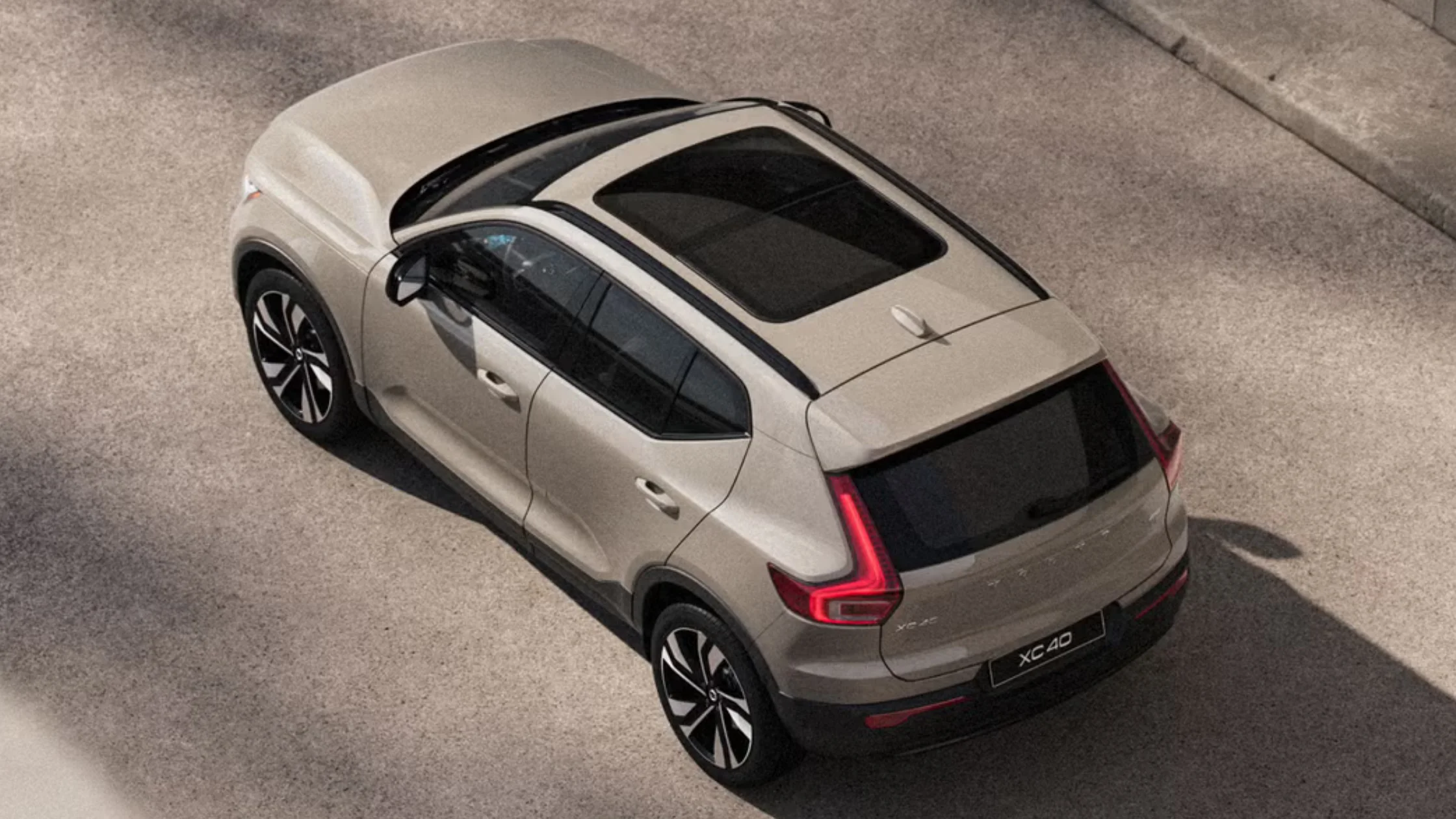
The 2026 Volvo XC40 is engineered with a focus on technical precision and practical functionality. Its structure and systems are developed to support consistent performance, controlled handling, and optimized efficiency through mild hybrid integration. The model uses energy recovery processes to supplement engine output, which contributes to improved fuel use and stable drivability across varied conditions. Volvo's design approach reflects a detailed application of mechanical and safety technology that strengthens reliability and operational consistency. The features incorporated into the 2026 Volvo XC40 provide measurable performance results that align with current engineering standards for compact SUVs.
Powertrain Engineering and Mild Hybrid Operation
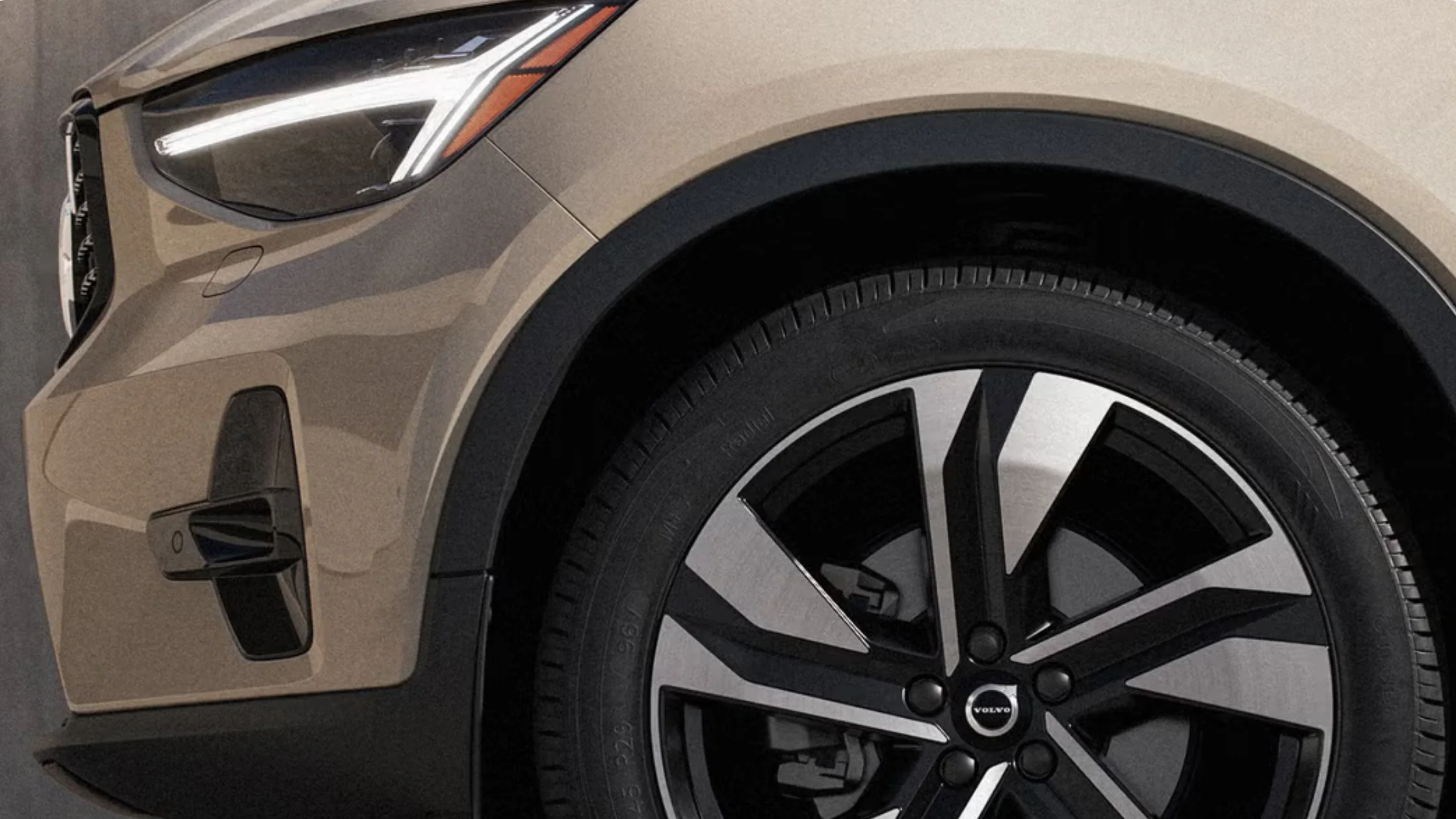
The powertrain layout of the 2026 Volvo XC40 centers on two mild hybrid systems that function with an internal combustion engine supported by an integrated starter generator. The regenerative components capture kinetic energy from braking events and redistribute it to assist with acceleration, reducing the strain placed on the primary engine. This structure increases system efficiency and enables smoother transitions during speed changes. In the B4 front-wheel-drive configuration, the model produces up to 194 horsepower. The B5 all-wheel-drive configuration increases output to 247 horsepower. These figures result from the tuning of combustion cycles and electrical support systems that work together to produce balanced and responsive forward motion.
Acceleration metrics emphasize the difference produced by the two available configurations. The B4 system moves the 2026 Volvo XC40 from zero to sixty miles per hour in 8.1 seconds. The B5 system achieves the same in 6.1 seconds. These results reflect the mechanical capability of each setup along with the influence of drivetrain layout and torque distribution. Mechanical calibration ensures that both versions maintain predictable behavior under load, allowing the driver to manage acceleration confidently. The design of the mild hybrid support system maintains continuous operation without driver input.
Fuel Use, Consumption Data, and Energy Management
The 2026 Volvo XC40 uses a mild hybrid strategy to improve overall fuel usage. The gas engine functions as the primary power source during extended driving, while the hybrid system supplements operation during acceleration and other higher demand moments. This division of labor improves energy management and supports more efficient performance in mixed driving environments. The 2026 Volvo XC40 is equipped with a 14.2-gallon fuel tank that balances capacity with vehicle mass and packaging constraints. This tank size is appropriate for the compact SUV category and operates effectively with the hybrid-assisted system.
EPA estimates list the B4 configuration at 27 miles per gallon combined. The B5 configuration is estimated at 26 miles per gallon combined. These measurements demonstrate the influence of the additional all-wheel-drive components in the B5 system that contribute to minor variations in consumption. Both systems benefit from the energy recovery technology that absorbs excess kinetic energy and stores it for later use. This process results in reduced engine load and more efficient operation over time. The consistency of the fuel data shows that the systems have been engineered to maintain stable consumption characteristics during diverse operation cycles.
Chassis Stability, Traction, and Structural Capability
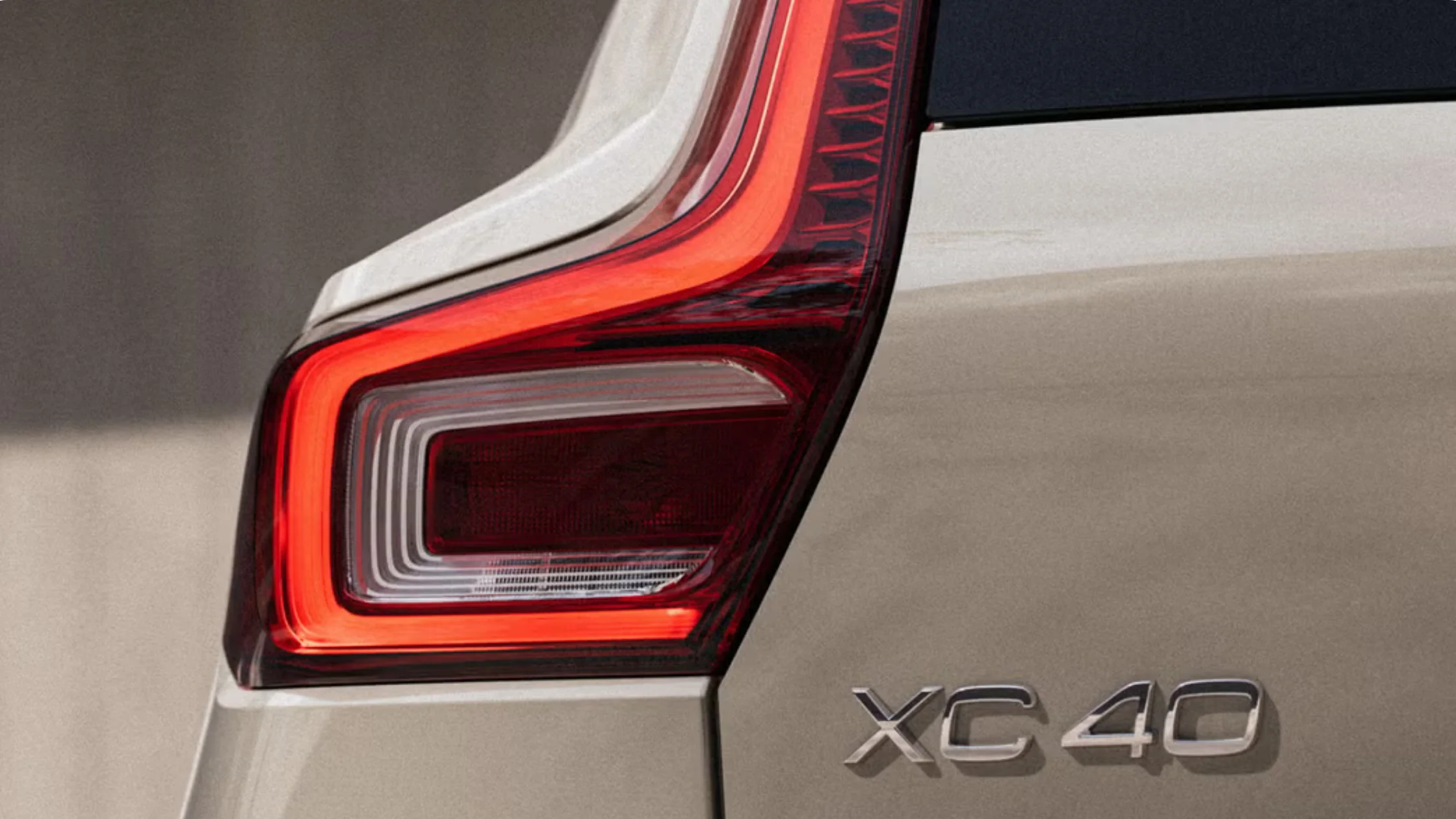
The chassis of the 2026 Volvo XC40 is designed to manage varying road conditions with predictable behavior. The frame incorporates reinforced components to maintain rigidity and reduce flex during operation. A stable frame ensures efficient suspension function and consistent steering response. This structural integrity contributes to improved comfort and enhanced predictability during cornering and braking. The B4 version distributes power to the front wheels, which results in a lighter and more efficiency-oriented configuration. The B5 version applies power to all four wheels, which increases traction capability and improves stability during acceleration on slippery or uneven surfaces.
The towing capability of the 2026 Volvo XC40 reaches up to 3500 pounds for both configurations. This rating is supported by drivetrain strength, cooling systems, and structural integration of the tow bar mounting points. An electric folding tow bar is available for drivers who require greater convenience. This system deploys through a single control input and retracts when not in use. Trailer Stability Assist is integrated to counteract sway during towing and maintain trajectory control. This system monitors movement patterns and applies targeted adjustments to help the driver keep the vehicle aligned with the intended path.
Cargo Design and Interior Utility Engineering
The interior cargo design of the 2026 Volvo XC40 prioritizes efficient use of available space. With the second row upright, the model offers 20.1 cubic feet of storage capacity. When the rear seats are folded, total capacity expands to 57.5 cubic feet. The under-floor compartment accounts for 2.7 cubic feet of that overall space, providing an enclosed area for smaller or more delicate items. This compartment helps organize cargo and keeps objects secure during movement. The shape of the cargo area is engineered to accept a wide variety of items without unnecessary obstruction. The liftgate opening is designed to simplify loading procedures and provide adequate vertical and horizontal clearance.
The cabin uses structured storage spaces that integrate into the door panels, center console, and front seating area. These elements are engineered to support daily practicality without interfering with the main cabin layout. Volvo's placement of switches, screens, and controls is arranged to reduce unnecessary reach and promote ease of interaction with essential systems. This contributes to technical efficiency by minimizing distraction and simplifying operational inputs. The interior arrangement is not focused on ornamental design but instead on purposeful placement that enhances function.
Technology Integration and System Communication
The technology systems within the 2026 Volvo XC40 support ongoing communication between the vehicle and its functional components. The primary touchscreen serves as the central interface. Its design prioritizes clear information delivery and direct access to essential menus. System responsiveness is calibrated to support quick adjustments without excessive delay. The integration of connected services extends the model's capabilities through remote access functions that may vary by region. These services can allow drivers to check vehicle status or perform basic operations from a distance.
Driver assistance technologies rely on sensor arrays and onboard computation to monitor surrounding conditions. These elements support functions that assist with spacing, guidance, and hazard detection. Sensor placement is engineered to maximize visibility and range while remaining protected from environmental interference. The cooperation between sensors, software, and mechanical response systems allows the vehicle to interpret and react to changing situations with consistent precision. The technology suite is not intended as a replacement for driver control. Instead, it enhances the driver's awareness and reduces workload during complex or demanding situations.
Safety Engineering and Protective Measures
Safety engineering in the 2026 Volvo XC40 aligns with Volvo's established structural and technological standards. The body incorporates a high-strength safety cage that manages impact forces by directing them away from the passenger area. This cage works with crumple zones that deform in controlled patterns to absorb energy during collisions. These components are developed through material selection, weld placement, and structural geometry that function together to minimize intrusion into the cabin.
The assistance systems that support driver awareness complement the structural design. These include elements that monitor vehicle position and surroundings and provide alerts or automated adjustments when necessary. The goal is consistent support for the driver without intrusive intervention. Systems such as braking support, steering assistance, and directional monitoring are calibrated to activate only under specific conditions to maintain a predictable driving experience.
Visit Volvo Cars of Hagerstown near Martinsburg, PA
A test drive provides an opportunity to examine the engineering of the 2026 Volvo XC40 under normal driving conditions while focusing on its mechanical behavior, hybrid operation, and safety systems. Drivers can evaluate acceleration response, hybrid energy support, and the balance between performance and efficiency. They can also observe cabin ergonomics and the functionality of the cargo layout. For those who want direct experience with the model, Volvo Cars of Hagerstown near Martinsburg, PA, welcomes visitors to schedule a drive. Our staff can assist with questions related to technical features and system operation and can provide additional information about the engineering choices applied to this model. A scheduled test drive encourages a practical understanding of how the 2026 Volvo XC40 performs in everyday use without relying solely on specifications.Contact Us Today
* Indicates a required field