

2026 Volvo XC90 Plug-in hybrid near Martinsburg, PA
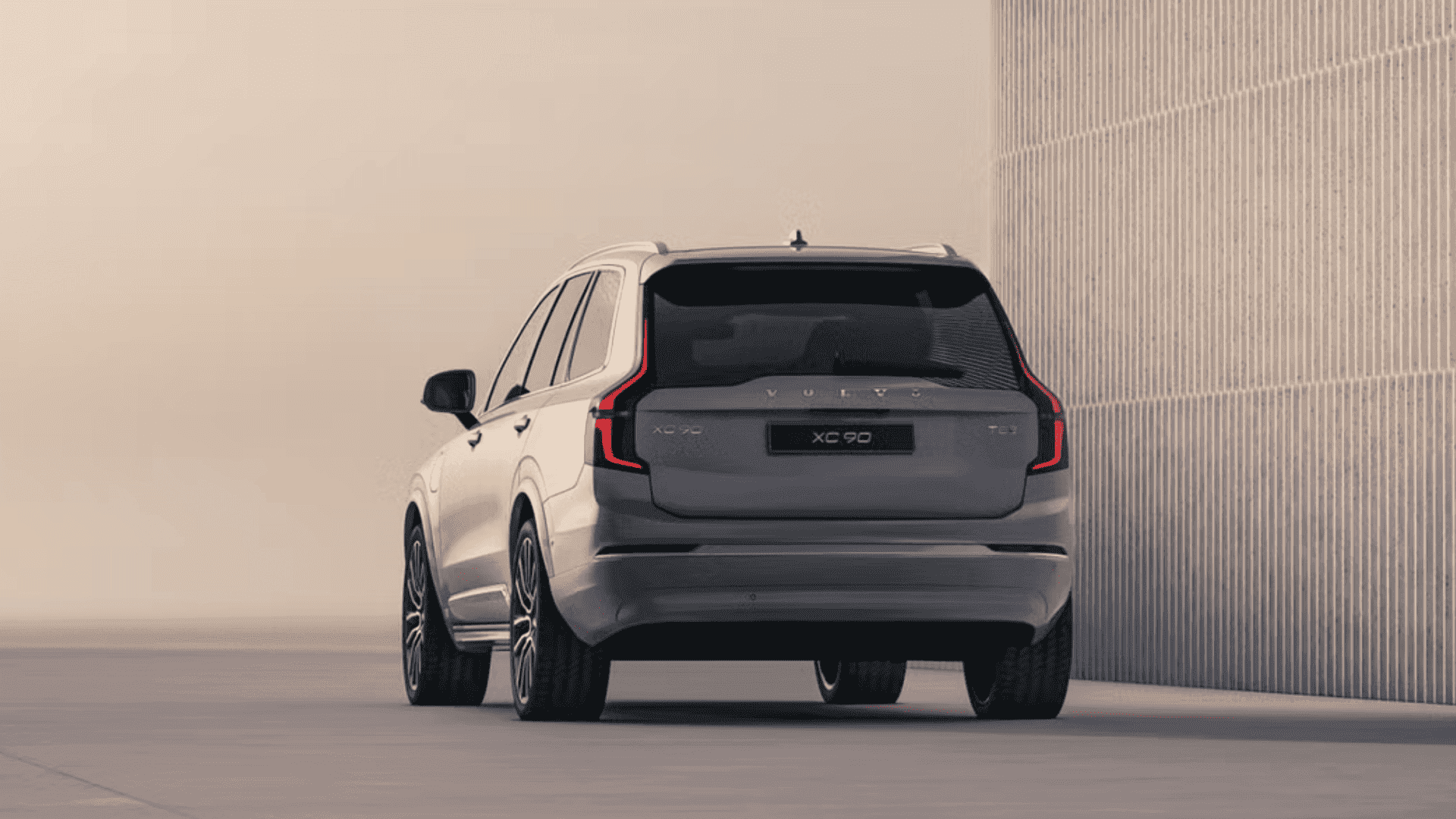
The 2026 Volvo XC90 Plug-in Hybrid is engineered to deliver a balanced integration of electrified efficiency, mechanical output, and system-level coordination. This model combines an internal combustion engine with an electric propulsion system to support reduced fuel dependency while preserving long-distance capability. The plug-in hybrid configuration allows the vehicle to operate using electric power for shorter driving cycles while maintaining consistent performance through its gasoline engine for extended operation. Every major system is designed to function cohesively, prioritizing predictable response, controlled power delivery, and long-term operational stability.
The 2026 Volvo XC90 Plug-in Hybrid remains a three-row luxury SUV with structural accommodations for its electrified components. Battery placement, drivetrain calibration, and chassis design are configured to support both passenger capacity and load distribution. This approach ensures that electrification does not compromise interior volume, ride consistency, or structural rigidity. The result is a large SUV that maintains functional versatility while introducing an advanced hybrid architecture.
Plug-in Hybrid Drivetrain Configuration
The drivetrain of the 2026 Volvo XC90 Plug-in Hybrid integrates a turbocharged gasoline engine with an electric motor powered by a high-voltage battery. The gasoline engine delivers consistent torque output across a broad operating range, while the electric motor supplements propulsion during acceleration and low-speed driving conditions. This dual-source propulsion system allows for multiple operating states, including electric-only driving, hybrid-assisted driving, and engine-dominant operation.
The transition between propulsion sources is managed electronically to ensure smooth engagement without abrupt changes in acceleration. Power distribution is controlled through a coordinated management system that evaluates driving input, battery charge level, and traction conditions. The electric motor contributes immediate torque delivery, supporting responsiveness from a standstill and during transitional driving scenarios such as merging or passing.
The drivetrain supports all-wheel drive through independent power delivery to both axles. This configuration improves traction consistency during variable road conditions and enhances stability during cornering and acceleration. The system continuously adjusts torque allocation to maintain grip without requiring driver intervention.
Battery System and Charging Architecture
The high-voltage battery used in the 2026 Volvo XC90 Plug-in Hybrid is engineered to support frequent charging cycles and sustained output over time. The battery is positioned within the vehicle structure to preserve interior space and maintain balanced weight distribution. Thermal management systems regulate battery temperature to support efficiency and operational longevity across a wide range of environmental conditions.
Charging capability allows the battery to be replenished using external power sources. The onboard charging system is designed to manage energy intake safely and efficiently, with monitoring systems that regulate current flow and temperature during the charging process. This configuration enables routine charging without requiring specialized infrastructure beyond compatible electrical outlets.
During driving operation, regenerative braking captures kinetic energy during deceleration and converts it into stored electrical energy. This process reduces reliance on friction braking while improving overall system efficiency. Energy recovery is calibrated to provide consistent brake feel while contributing to battery replenishment.
Energy Management and Drive Mode Control
The 2026 Volvo XC90 Plug-in Hybrid includes selectable drive modes that adjust how the vehicle utilizes its electric and gasoline power sources. These modes are designed to accommodate varying driving conditions, traffic environments, and efficiency preferences. The vehicle’s control systems evaluate driver input, speed, terrain, and battery status to determine the optimal power delivery strategy.
Hybrid operation prioritizes electric propulsion during low-load conditions, such as city driving or steady cruising, while engaging the gasoline engine during higher load demands. This coordination occurs automatically and maintains consistent throttle response. Electric-only driving capability is available under appropriate conditions, allowing the vehicle to operate without engine engagement when battery charge permits.
The system also supports driving modes that prioritize traction and stability. In these configurations, the drivetrain, suspension, and stability control systems operate in a coordinated manner to maintain vehicle control on surfaces with reduced grip. Power delivery remains measured and predictable, supporting driver confidence in varied environments.
Structural Platform and Chassis Engineering
The 2026 Volvo XC90 Plug-in Hybrid is built on a modular platform designed to accommodate electrified powertrains. This platform integrates high-strength materials to support structural rigidity while managing the additional mass associated with battery components. Reinforced sections within the chassis contribute to controlled energy distribution during impact scenarios.
Suspension geometry is calibrated to balance ride comfort and handling precision. Independent suspension systems at the front and rear manage wheel movement independently, allowing the vehicle to absorb road irregularities while maintaining consistent tire contact. This configuration supports stability during highway driving and controlled response during directional changes.
Steering calibration emphasizes accuracy and linear response. Low-speed steering effort supports maneuverability in confined spaces, while increased resistance at higher speeds contributes to directional stability. The steering system communicates road conditions without excessive feedback, maintaining predictable control characteristics.
Exterior Design with Functional Efficiency
Exterior design elements of the 2026 Volvo XC90 Plug-in Hybrid are shaped to support aerodynamic efficiency and visibility. Body contours are engineered to manage airflow across the vehicle, reducing drag and contributing to fuel efficiency during highway operation. Panel alignment and surface transitions are optimized to limit turbulence and wind noise.
Lighting systems utilize LED technology for consistent illumination and reduced energy consumption. Headlamp design supports clear forward visibility across varying conditions, while taillamps provide defined rear visibility. Exterior mirrors and wheel designs are configured to minimize airflow disruption without compromising functional coverage.
The vehicle maintains proportions suitable for three-row seating while supporting structural accommodations for hybrid components. Exterior dimensions allow for interior volume optimization without excessive overhangs or unnecessary mass.
Interior Layout and Material Engineering
The interior of the 2026 Volvo XC90 Plug-in Hybrid is engineered to maximize usable space while maintaining access to hybrid system components. Seating configurations support multiple passenger arrangements without encroaching on battery placement. Floor height and cargo capacity are preserved through efficient packaging of electrical systems.
Seat structures are designed for consistent support during extended driving periods. Cushion density, seatback contouring, and adjustability contribute to stable occupant positioning. Climate control systems distribute airflow evenly throughout the cabin, maintaining temperature consistency across all seating rows.
Sound insulation materials are integrated throughout the cabin to reduce road noise, wind intrusion, and powertrain sound. Electric driving operation further reduces ambient noise levels, contributing to a controlled interior environment during low-speed operation.
Integrated Technology and System Interfaces
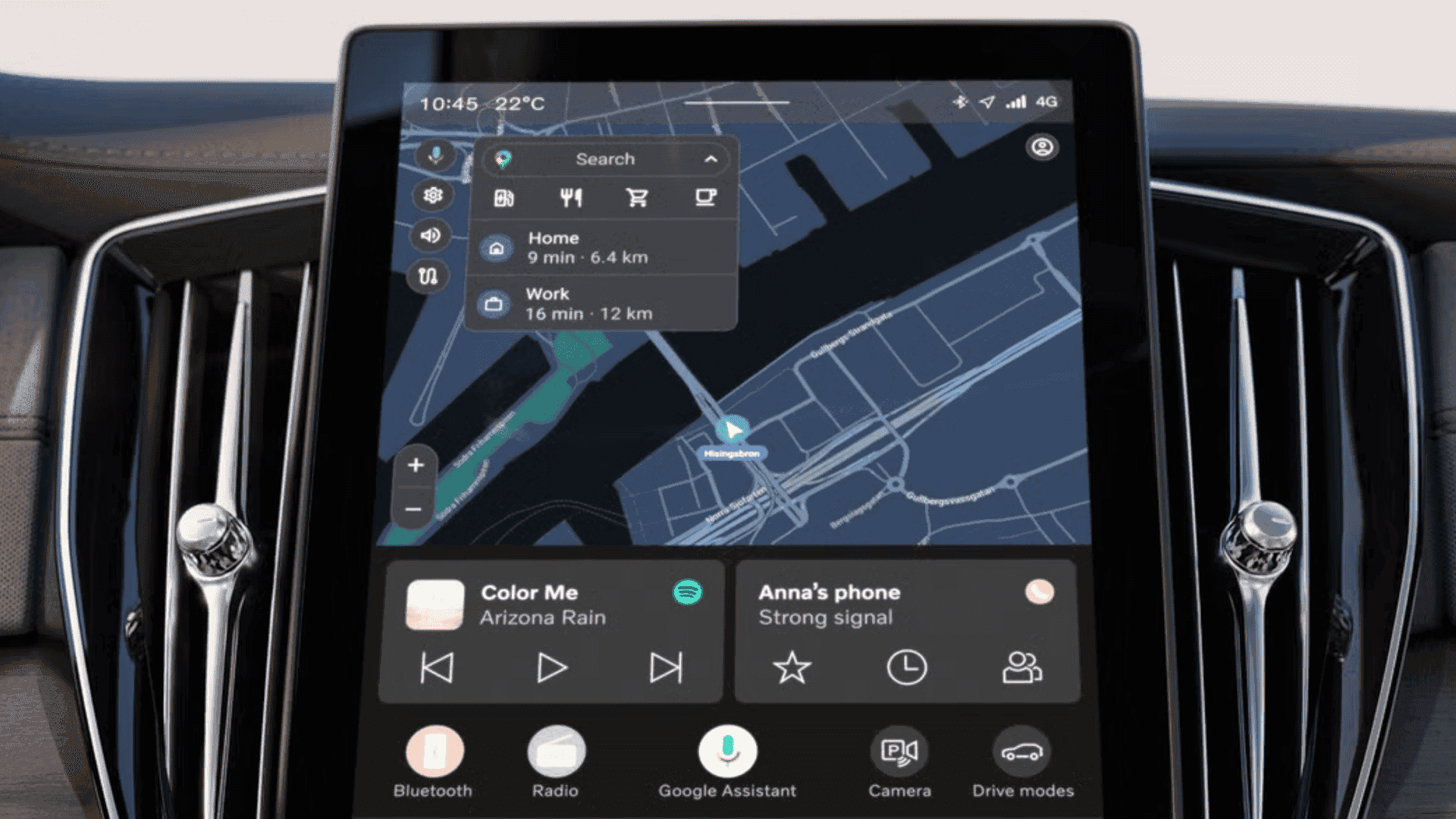
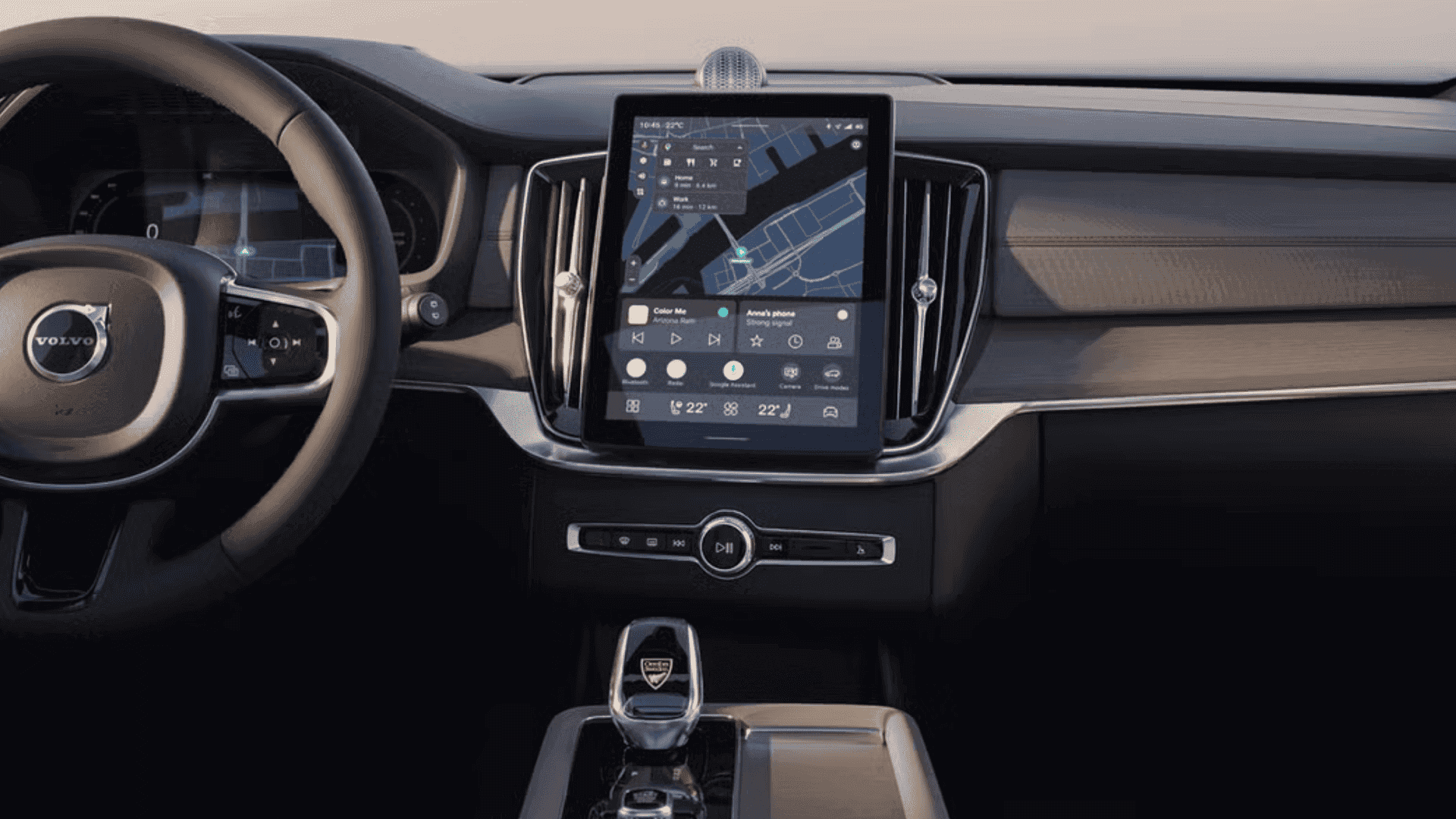
The 2026 Volvo XC90 Plug-in Hybrid incorporates a centralized infotainment and vehicle management system that consolidates operational controls. The interface provides access to navigation, media, climate functions, and vehicle settings through a high-resolution display. Input methods include touch interaction and voice-based commands.
Hybrid system information is presented through dedicated displays that indicate battery charge status, energy flow, and driving mode selection. These displays allow drivers to monitor system behavior and adjust driving strategy accordingly. Software architecture supports over-the-air updates, enabling system refinements without physical modifications.
Connectivity systems allow integration with compatible mobile devices, supporting communication and navigation functions without requiring additional hardware. System response times are calibrated to provide consistent interaction without lag or interruption.
Driver Assistance and Safety System Engineering
Safety engineering within the 2026 Volvo XC90 Plug-in Hybrid integrates active and passive systems designed to support collision avoidance and occupant protection. Sensor arrays monitor vehicle surroundings and support driver assistance features that respond to changing traffic conditions.
Forward monitoring systems detect potential obstacles and support braking assistance when required. Lane support technologies help maintain directional alignment, while blind-spot detection systems provide alerts during lane changes. These systems function continuously during vehicle operation and adjust sensitivity based on speed and environment.
Structural safety elements include reinforced occupant compartments and strategically placed energy-absorbing zones. Airbag deployment systems are configured to provide coverage across multiple seating positions. All safety systems are designed to function cohesively without interfering with driver control.
Ownership Use and Operational Consistency
The 2026 Volvo XC90 Plug-in Hybrid is designed to support varied driving routines without complex operational requirements. Charging routines integrate easily into daily schedules, while hybrid operation ensures uninterrupted driving capability regardless of battery charge level.
System diagnostics continuously monitor powertrain, battery, and electrical components to ensure consistent performance. Regenerative braking and energy management systems reduce wear on mechanical components, contributing to long-term operational stability.
The 2026 Volvo XC90 Plug-in Hybrid maintains full towing and passenger functionality while introducing electrified operation. This balance supports practical use across commuting, travel, and family transportation scenarios.
Schedule a Test Ride at Volvo Cars of Hagerstown
Drivers interested in experiencing the 2026 Volvo XC90 Plug-in Hybrid are invited to explore its systems through a guided test drive at Volvo Cars of Hagerstown near Martinsburg, PA. A test drive allows direct evaluation of the hybrid powertrain response, system transitions, and ride control characteristics. Visitors can examine how the battery system, drivetrain, and driver assistance technologies operate together under normal driving conditions. The opportunity also provides hands-on interaction with infotainment interfaces and drive mode configurations. Scheduling a test drive offers a clear understanding of how the 2026 Volvo XC90 Plug-in Hybrid performs as a fully integrated technical platform.