

2026 Volvo XC90 near Greencastle, PA
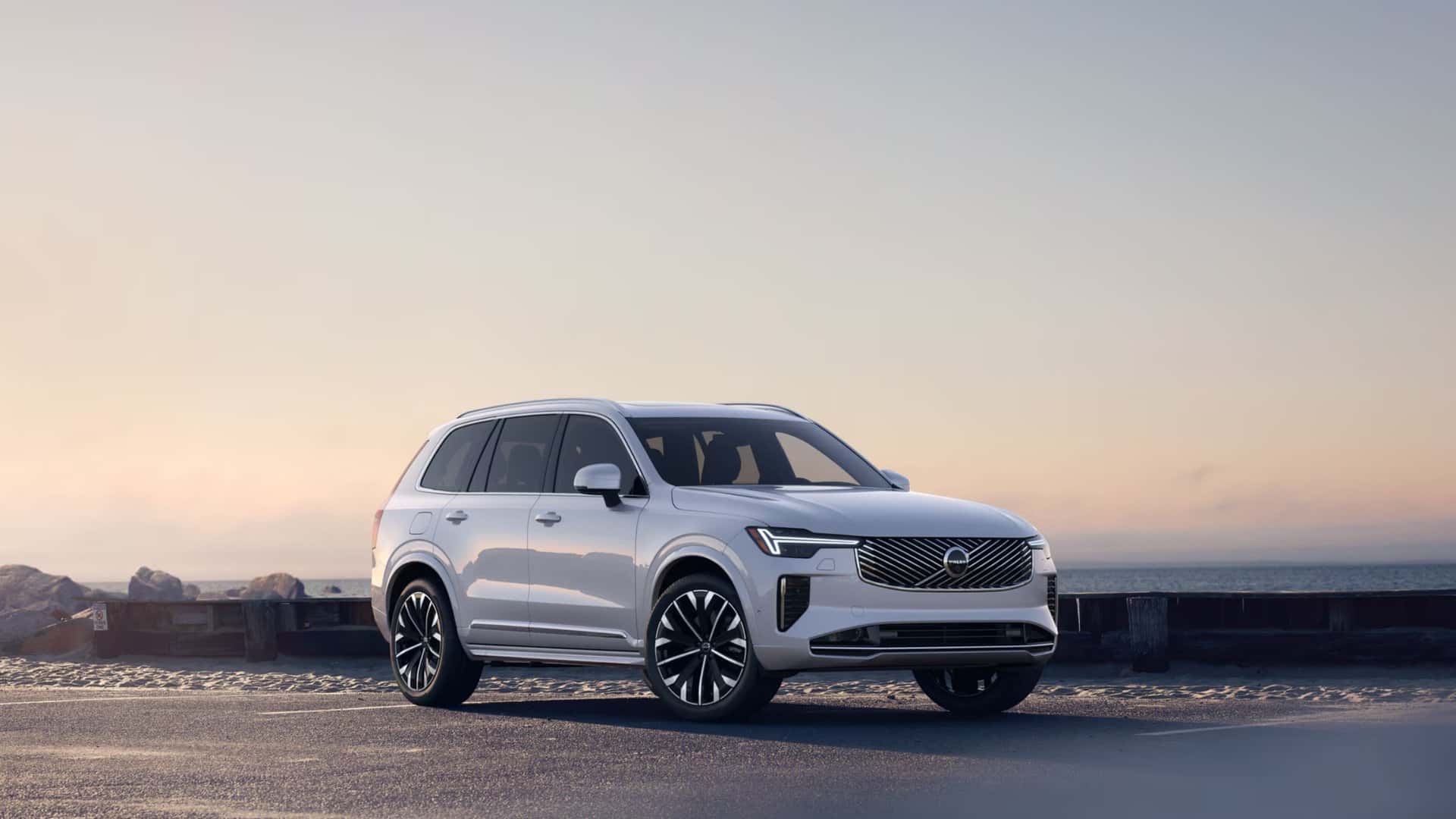
The 2026 Volvo XC90 is a three-row luxury sport utility vehicle engineered with a mild hybrid powertrain and a focus on efficiency, structural integrity, and integrated driver assistance systems. It is configured to seat six or seven occupants, depending on the selected interior layout, and is designed to balance power delivery with controlled fuel consumption. The model incorporates a turbocharged gasoline engine supported by a 48-volt electrical system, which assists in propulsion and energy recovery. This configuration enables consistent performance across varying driving conditions while maintaining compliance with modern emission standards.
The 2026 Volvo XC90 is offered with all-wheel drive as a standard configuration, ensuring torque distribution across all four wheels. This contributes to stability during acceleration and maintains traction in low-grip environments. The vehicle architecture supports both urban and highway operation, with engineering decisions focused on predictable handling, efficient energy use, and long-term durability.
Powertrain Configuration and Output Characteristics
The 2026 Volvo XC90 is equipped with two mild hybrid powertrain variants identified as B5 AWD and B6 AWD. Both configurations use a turbocharged four-cylinder engine integrated with a 48-volt starter generator system. This system assists during engine start, acceleration, and deceleration phases, reducing load on the combustion engine and improving overall efficiency.
The B5 AWD configuration produces up to 247 horsepower. This output is sufficient for standard driving requirements and supports a balanced acceleration profile. The B6 AWD configuration increases output to 295 horsepower, providing improved acceleration and responsiveness under higher load conditions. The difference in output is achieved through enhanced engine tuning and additional support from the mild hybrid system.
Acceleration performance differs between the two configurations. The B5 AWD achieves 0 to 60 miles per hour in approximately 7.3 seconds, while the B6 AWD completes the same range in approximately 6.4 seconds. These figures reflect the additional power available in the B6 system and its ability to deliver torque more efficiently during initial acceleration.
The mild hybrid system captures kinetic energy during braking and stores it in a battery. This stored energy is then used to assist the engine during acceleration, reducing fuel consumption and minimizing energy loss. The integration of this system improves drivability by providing smoother transitions between acceleration and deceleration.
Fuel Efficiency and Energy Management Systems
Fuel efficiency is a critical aspect of the vehicle’s design. The B5 AWD configuration achieves an estimated combined fuel consumption of 26 miles per gallon. The B6 AWD configuration achieves an estimated combined fuel consumption of 23 miles per gallon. These figures reflect the balance between power output and fuel efficiency within the mild hybrid framework.
The vehicle is equipped with an 18.8-gallon fuel tank, allowing extended driving range between refueling intervals. The fuel management system is calibrated to optimize combustion efficiency while maintaining consistent engine performance. Advanced engine management and exhaust systems ensure compliance with emissions standards.
The 48-volt electrical system operates independently of the primary engine system, enabling efficient energy distribution. It supports auxiliary functions and reduces reliance on the combustion engine for certain operations. This contributes to lower fuel consumption and improved system efficiency.
Disclaimer: *EPA estimated range is 23 MPG city/30 MPG highway/26 MPG combined (B5 AWD) and 20 MPG city/26 MPG highway/23 MPG combined (B6 AWD). Your actual range will vary for many reasons, including but not limited to, driving conditions, how and where you drive, how you maintain your vehicle, battery-package/condition, and other factors. See https://www.fueleconomy.gov/
Structural Design and Exterior Engineering
The structural design of the 2026 Volvo XC90 focuses on rigidity and safety. High-strength materials are used throughout the chassis to improve crash performance and maintain structural integrity. The body design incorporates reinforced zones that absorb and distribute impact forces during collisions.
The exterior dimensions are optimized to accommodate three rows of seating without compromising stability. The vehicle maintains a balanced weight distribution, which contributes to predictable handling characteristics. Aerodynamic considerations are integrated into the design to reduce drag and improve fuel efficiency.
The suspension system is calibrated to provide consistent ride quality across different road conditions. It is engineered to absorb road irregularities while maintaining vehicle control. The steering system is tuned for precision, allowing accurate input response and controlled maneuvering.
Interior Layout and Passenger Configuration
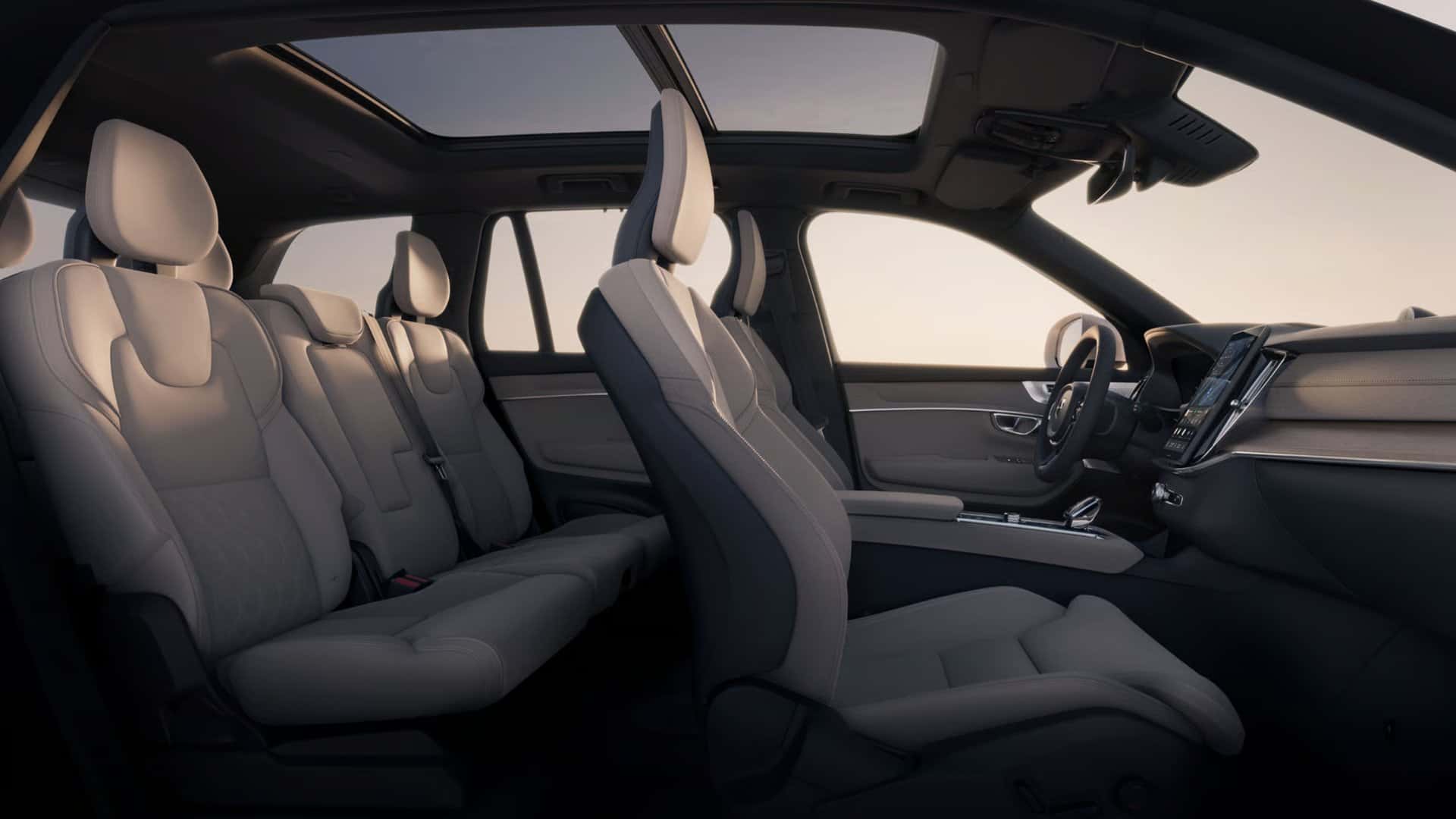
The interior of the 2026 Volvo XC90 is designed to maximize usable space and provide flexible seating arrangements. The vehicle offers configurations for six or seven occupants. The second-row seating can be adjusted to facilitate access to the third row, ensuring ease of entry and exit.
The seating system supports multiple configurations, allowing the rear seats to fold flat when additional cargo space is required. This adaptability enables the vehicle to transition between passenger transport and cargo hauling without structural changes.
Climate control systems are distributed across multiple zones, allowing passengers to adjust temperature settings independently. The cabin layout ensures that controls are accessible to the driver without requiring significant movement. Storage compartments are positioned throughout the interior to support practical usage.
The interior design prioritizes functionality, with materials selected for durability and ease of maintenance. The arrangement of components minimizes unnecessary complexity while maintaining accessibility.
Digital Interface and Connectivity Systems
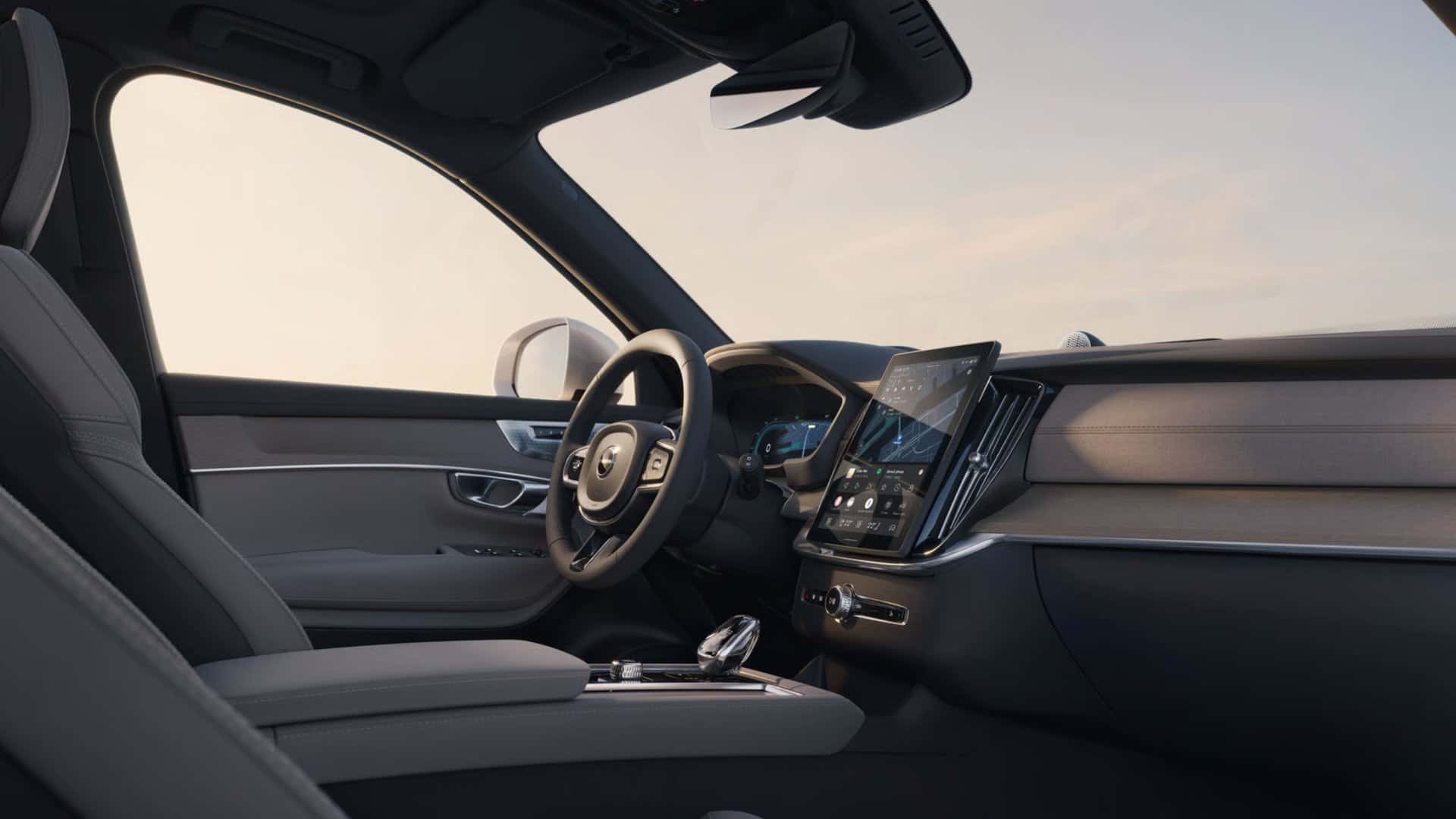
The 2026 Volvo XC90 integrates a centralized digital interface that manages infotainment, navigation, and vehicle settings. The system is operated through a touchscreen display located within the center console. This interface consolidates multiple functions into a single control point.
A digital driver display provides essential information, including speed, navigation guidance, and system alerts. The display is configurable, allowing the driver to select preferred information layouts. This reduces distraction and improves situational awareness.
Voice command functionality enables hands-free operation of key systems, including navigation and media controls. The system supports smartphone integration, allowing seamless connection between personal devices and the vehicle’s interface.
Software updates are delivered through over-the-air functionality, ensuring that system features remain current. This approach reduces the need for manual updates and allows the vehicle to adapt to evolving technology standards.
Safety Systems and Driver Assistance Technologies
The 2026 Volvo XC90 incorporates a comprehensive set of safety and driver assistance systems. These systems are designed to monitor surrounding conditions and assist the driver in maintaining control of the vehicle. Sensors, cameras, and radar units are integrated into the vehicle structure to provide continuous monitoring.
Forward collision mitigation systems detect potential obstacles and apply braking assistance if necessary. Lane-keeping assistance helps maintain the vehicle’s position within its lane by providing steering input when deviation is detected. Adaptive cruise control adjusts vehicle speed to maintain a safe distance from the vehicle ahead.
Blind spot monitoring systems detect vehicles in adjacent lanes and provide alerts to the driver. Cross-traffic alert systems assist during reversing by identifying approaching vehicles from the side. Parking assistance systems use camera input to guide the driver during low-speed maneuvers.
The structural design of the vehicle supports passive safety features by maintaining cabin integrity during collisions. Energy absorption zones are engineered to reduce the impact forces transferred to occupants. The integration of active and passive systems enhances overall safety performance.
Driving Dynamics and Performance Control
The driving dynamics of the 2026 Volvo XC90 are influenced by its all-wheel-drive system and suspension calibration. Torque distribution is continuously adjusted to maintain traction across different surfaces. This ensures stable acceleration and controlled handling.
The braking system integrates energy recuperation, allowing the mild hybrid system to capture energy during deceleration. This process contributes to overall efficiency and reduces wear on mechanical components. The system is calibrated to provide consistent braking performance.
The steering system is designed to deliver precise feedback, allowing the driver to maintain control during cornering and lane changes. Suspension components are tuned to balance comfort and stability, ensuring that the vehicle remains composed under varying load conditions.
The overall performance profile emphasizes controlled operation and efficiency rather than aggressive driving characteristics. This aligns with the vehicle’s intended use as a multi-purpose family and utility vehicle.
Efficiency-Oriented Engineering and Emissions Control
The engineering approach of the 2026 Volvo XC90 prioritizes efficiency and emissions reduction. The mild hybrid system reduces fuel consumption by assisting the engine during high-demand situations. Energy recovery during braking minimizes waste and supports overall system performance.
The exhaust system is designed to meet strict emissions standards, incorporating advanced filtration and catalytic processes. Engine calibration ensures that combustion remains efficient across different operating conditions.
The integration of electric assistance reduces the frequency and intensity of engine operation, contributing to lower emissions. This approach allows the vehicle to maintain conventional driving characteristics while improving environmental performance.
Functional Utility and Daily Operation
The 2026 Volvo XC90 is engineered to support a range of daily applications. The flexible seating system allows the vehicle to accommodate passengers or cargo based on immediate needs. The rear seats can be folded to create additional storage space, enabling the transport of larger items.
The power-operated liftgate simplifies loading and unloading. Roof rails provide additional storage options for external cargo. The vehicle dimensions support maneuverability in urban environments while maintaining interior capacity.
The all-wheel-drive system enhances capability in various driving conditions, including wet or uneven surfaces. This ensures that the vehicle remains functional across different environments.
Visit Volvo Cars of Hagerstown for a Test Ride
We invite you to explore the 2026 Volvo XC90 in person at Volvo Cars of Hagerstown near Greencastle, PA. This model offers a balanced combination of mild hybrid efficiency, controlled performance, and integrated safety systems that are best evaluated through direct experience. A test drive allows you to assess its power delivery, handling stability, and digital interface in a practical setting. Our team is available to guide you through its technical features and answer detailed questions about its operation. Schedule your visit to examine how its engineering aligns with your driving requirements.