

2026 Volvo XC60 Plug-in hybrid near Martinsburg, PA
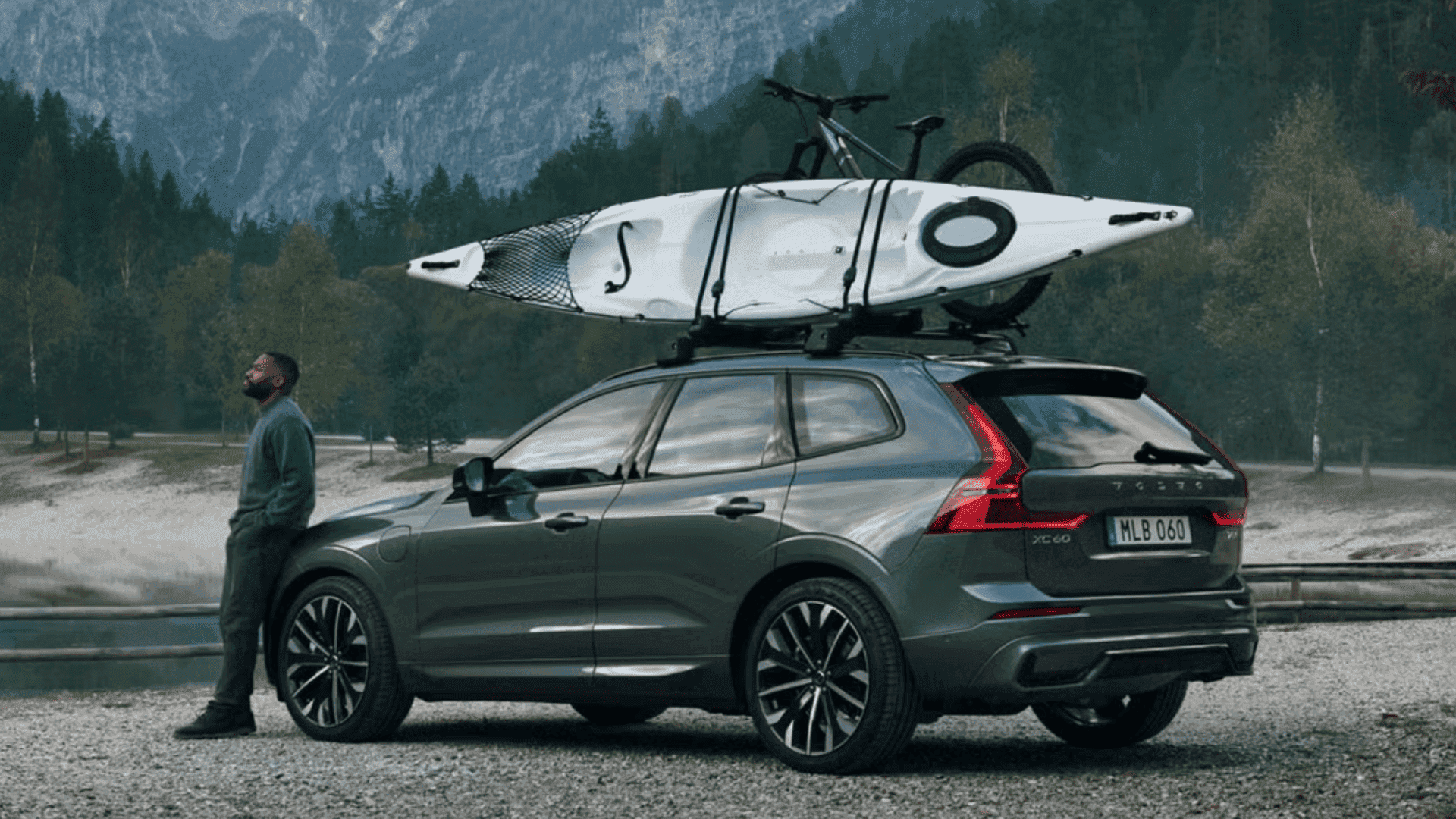
The 2026 Volvo XC60 Plug-in Hybrid is engineered as a midsize luxury SUV that integrates electrified propulsion with conventional internal combustion technology. This configuration allows the vehicle to operate using electric power, gasoline power, or a coordinated combination of both, depending on driving conditions and selected settings. The plug-in hybrid system is designed to reduce fuel consumption during short-distance driving while preserving consistent performance for extended travel. Volvo applies this technology within a structural platform that supports safety systems, battery integration, and balanced weight distribution. The 2026 Volvo XC60 Plug-in Hybrid is positioned as a technically focused vehicle that prioritizes efficiency, stability, and controlled performance through coordinated mechanical and electronic systems.
Hybrid Powertrain Configuration and Output Management
The powertrain of the 2026 Volvo XC60 Plug-in Hybrid combines a turbocharged gasoline engine with an electric motor and a high-voltage lithium-ion battery. The gasoline engine is engineered to deliver sustained power during highway operation and higher-load conditions, while the electric motor supports low-speed driving and assists during acceleration. Both systems are electronically managed to ensure smooth transitions between operating modes without abrupt changes in power delivery.
The hybrid control unit continuously manages torque distribution between the engine and the electric motor. This allows the vehicle to adapt to varying driving demands while maintaining efficiency. Drivers can select specific drive modes that adjust throttle response, power distribution, and energy usage. These modes allow the vehicle to operate using electric propulsion alone for short distances or combined hybrid output for increased performance. The integration of regenerative braking allows kinetic energy generated during deceleration to recharge the battery, improving overall system efficiency.
Battery Design, Placement, and Thermal Regulation
The high-voltage battery system used in the 2026 Volvo XC60 Plug-in Hybrid is engineered for durability and consistent output. Volvo positions the battery within the vehicle structure to maintain interior space while supporting a low center of gravity. This placement contributes to stable handling characteristics and predictable vehicle behavior during cornering and braking.
Thermal management systems regulate battery temperature during charging and operation. These systems ensure stable performance across a wide range of ambient conditions and help preserve long-term battery capacity. The battery supports plug-in charging through residential power sources and compatible charging equipment, allowing scheduled charging routines that align with daily driving needs. Charging hardware and software communicate to regulate current flow and charging speed, ensuring efficiency without compromising battery integrity.
Electrified All-Wheel Drive and Chassis Control
The 2026 Volvo XC60 Plug-in Hybrid includes an advanced all-wheel drive system that works in coordination with the hybrid drivetrain. The system distributes power between the front and rear axles based on traction requirements and driving inputs. This configuration enhances grip during acceleration and supports controlled handling on wet or uneven surfaces.
The chassis system integrates suspension geometry, damping rates, and electronic stability controls to maintain consistent road contact. The suspension is calibrated to absorb surface irregularities while preserving directional stability. Steering components provide measured feedback that supports precise vehicle control without excessive effort. Together, these systems contribute to predictable handling behavior and controlled ride quality across urban and highway environments.
Exterior Engineering and Functional Design Elements
The exterior of the 2026 Volvo XC60 Plug-in Hybrid reflects functional design principles intended to support aerodynamic efficiency and structural integrity. Body contours are shaped to guide airflow efficiently along the vehicle surface, reducing drag at cruising speeds. The grille, mirrors, and wheel designs are engineered to complement airflow management without compromising cooling requirements.
Lighting systems use LED technology to deliver consistent illumination with reduced power consumption. Headlamps and taillamps are designed for visibility and longevity, supporting both safety and efficiency objectives. Structural elements within the body panels contribute to impact resistance while maintaining overall weight control. These design considerations support the vehicle’s efficiency goals while maintaining durability.
Interior Layout, Materials, and Ergonomic Engineering
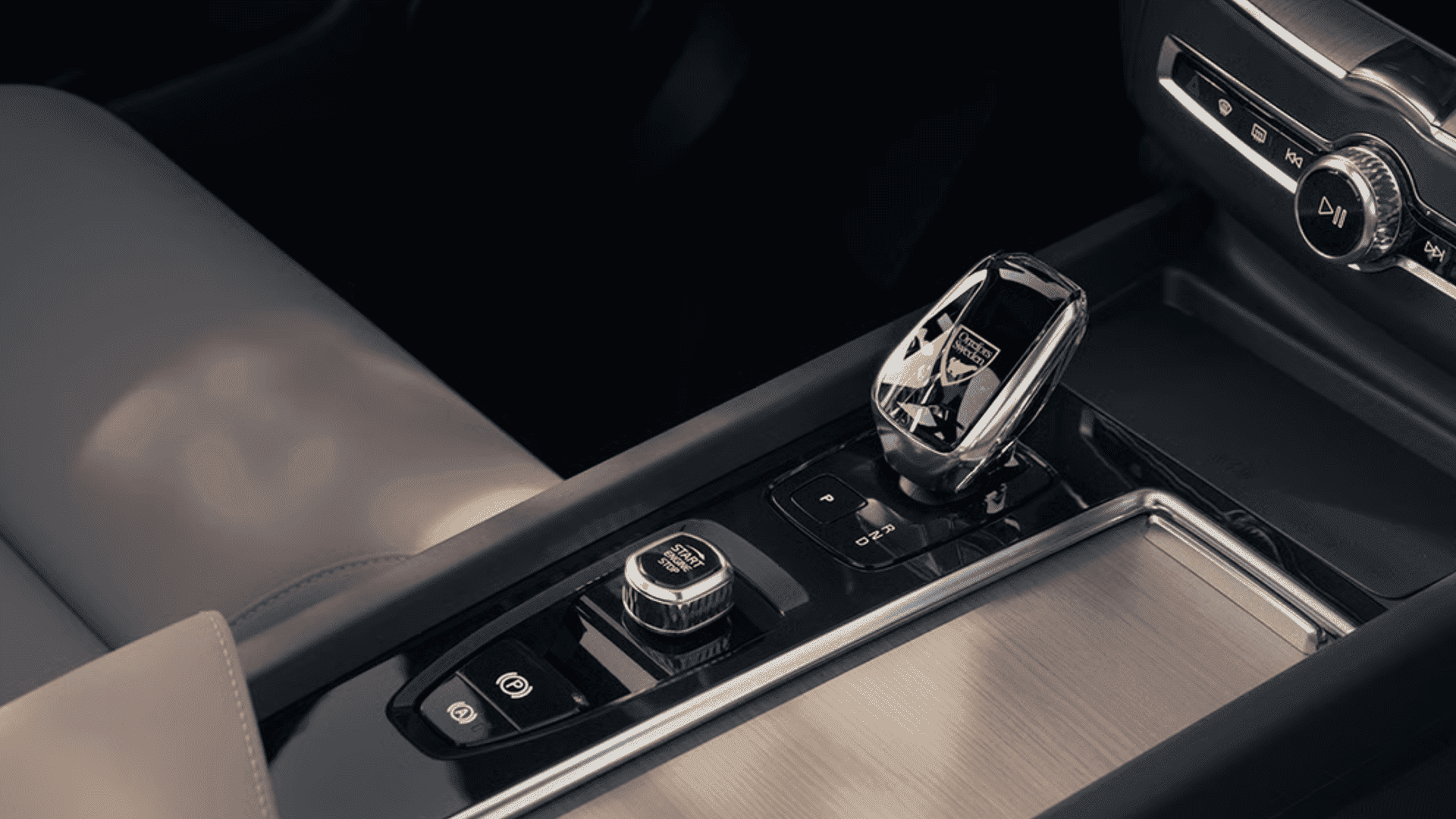
The interior of the 2026 Volvo XC60 Plug-in Hybrid is designed with a focus on functionality, durability, and ergonomic clarity. The seating structure is engineered to provide consistent support across a range of body types and driving durations. Seat frames and cushioning materials are selected to balance firmness and comfort while supporting proper posture.
Interior surfaces use materials selected for wear resistance and ease of maintenance. Controls are positioned to reduce driver distraction and allow intuitive operation. The layout emphasizes clear sightlines and accessible interfaces, supporting controlled operation of vehicle systems. Climate control systems operate with efficiency in mind, adjusting airflow and temperature regulation while minimizing energy usage, particularly during electric driving.
Digital Interfaces and System Integration
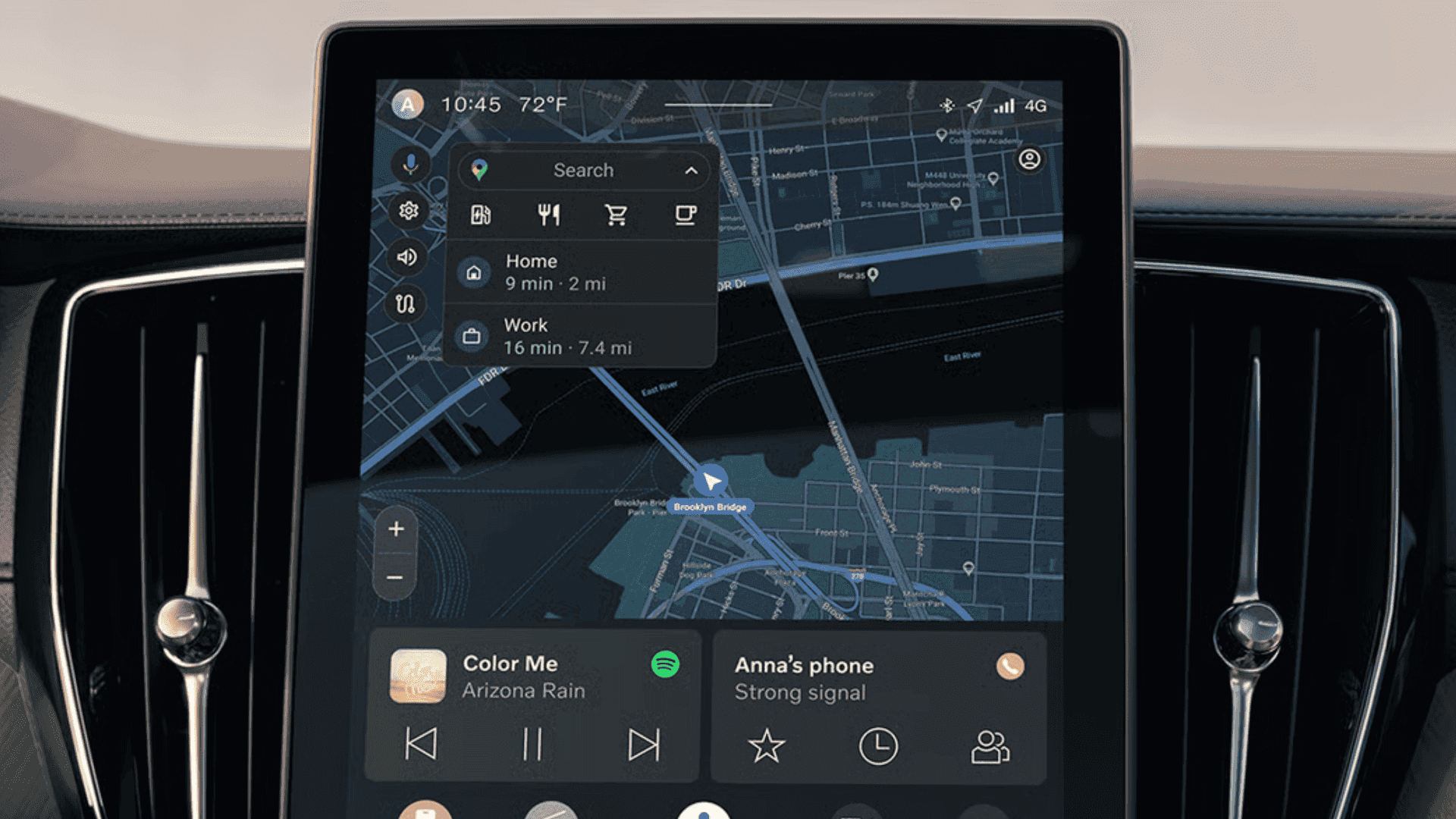
The infotainment system in the 2026 Volvo XC60 Plug-in Hybrid is designed to centralize vehicle controls, navigation functions, and hybrid system monitoring. The central display provides access to driving settings, energy flow visualization, and charging information. Interface design prioritizes clarity and responsiveness, allowing drivers to adjust vehicle parameters without excessive interaction.
Connectivity features support integration with compatible devices, enabling communication and application access through the vehicle interface. Software architecture allows system updates through wireless connections, supporting long-term functionality and feature enhancements. These updates ensure compatibility with evolving digital standards and maintain system performance throughout the vehicle lifecycle.
Driver Assistance Systems and Collision Mitigation Technologies
The 2026 Volvo XC60 Plug-in Hybrid incorporates a range of driver assistance technologies designed to support situational awareness and vehicle control. Sensor arrays, including cameras and radar units, monitor surrounding traffic conditions and lane positioning. These inputs support systems that assist with maintaining lane alignment, adaptive speed control, and braking support when potential hazards are detected.
Braking systems are engineered to coordinate hydraulic braking with regenerative energy recovery. This integration ensures consistent braking performance while supporting battery recharging during deceleration. Structural safety elements within the vehicle frame are designed to manage collision forces effectively, contributing to occupant protection without compromising vehicle stability.
Structural Platform and Noise Control Engineering
Volvo builds the 2026 Volvo XC60 Plug-in Hybrid on a rigid platform that emphasizes strength, weight distribution, and vibration control. High-strength steel and reinforced components are used strategically to enhance torsional rigidity. This structural integrity supports precise handling and reduces unwanted body movement during driving.
Noise, vibration, and harshness control systems are integrated throughout the cabin and chassis. Insulation materials and sealing strategies reduce intrusion from road and wind noise. These measures contribute to a controlled cabin environment that supports extended driving comfort without relying on excessive sound masking.
Energy Efficiency and Operating Flexibility
The plug-in hybrid system allows the 2026 Volvo XC60 Plug-in Hybrid to operate efficiently during short-distance driving by prioritizing electric propulsion. This reduces fuel usage and supports lower emissions during routine commutes. For longer trips, the gasoline engine supplements electric power to provide consistent range and performance.
Energy management software evaluates driving conditions and power demand to determine optimal system operation. This coordinated approach ensures that electric energy is used efficiently while preserving battery charge for appropriate situations. The result is a vehicle that adapts its operating strategy based on usage patterns without requiring constant driver intervention.
Cargo Capacity and Interior Utility Engineering
Despite the integration of hybrid components, the 2026 Volvo XC60 Plug-in Hybrid maintains practical cargo capacity and interior flexibility. The rear cargo area is engineered to accommodate everyday transport needs while supporting longer travel requirements. Seat folding mechanisms allow expanded storage when passenger capacity is reduced.
Interior storage compartments are designed to support organized placement of personal items. These features enhance daily usability without compromising structural or safety requirements. The balance between hybrid technology and interior utility reflects Volvo’s focus on functional engineering.
Visit Volvo Cars of Hagerstown for a Test Ride
Drivers interested in understanding the engineering and operational characteristics of the 2026 Volvo XC60 Plug-in Hybrid can evaluate the vehicle through direct operation. At Volvo Cars of Hagerstown near Martinsburg, PA, a scheduled test drive allows prospective owners to assess electric propulsion behavior, hybrid transitions, and chassis response under typical driving conditions. Experiencing the vehicle in motion provides insight into power delivery, braking coordination, and system integration. The test drive process supports informed evaluation of driving modes, interior controls, and safety technologies. Scheduling a visit allows drivers to examine how the 2026 Volvo XC60 Plug-in Hybrid aligns with their technical and operational expectations.