

2026 Volvo EX40 in Hagerstown, MD
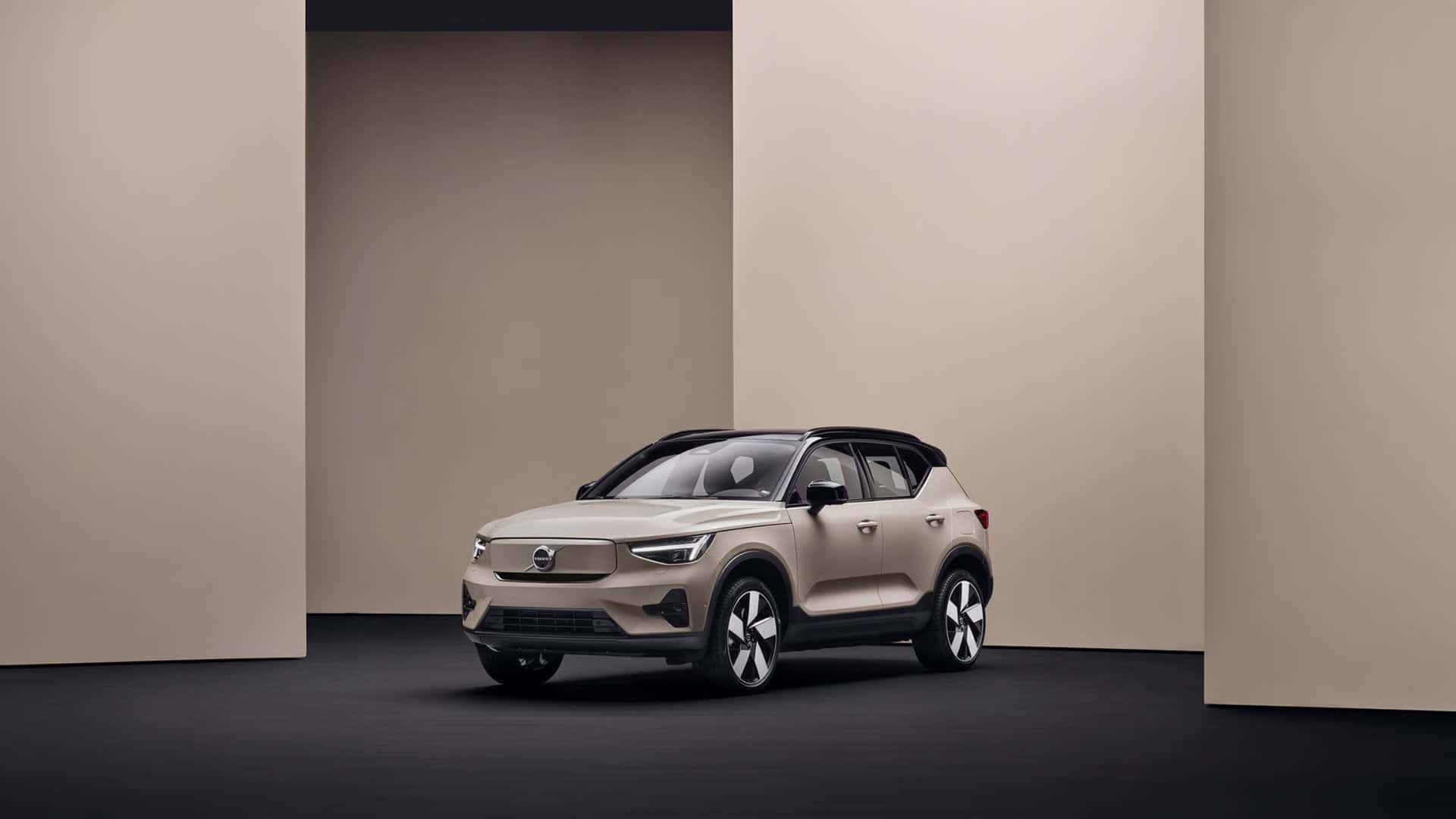
The 2026 Volvo EX40 is engineered as a fully electric compact SUV designed to deliver consistent performance, controlled efficiency, and integrated digital functionality. This model is exclusively electric and does not rely on any combustion-based systems, allowing all mechanical and electronic components to be optimized around battery propulsion. The platform architecture supports a low center of gravity through underfloor battery placement, which directly influences stability, ride balance, and interior packaging. Every system within the 2026 Volvo EX40 is calibrated to operate within a unified electric framework, reducing mechanical complexity while improving responsiveness and predictability.
The vehicle is configured as a five-seat SUV with a rigid body structure developed to manage both torsional stiffness and impact energy distribution. Exterior proportions are designed to support aerodynamic efficiency while maintaining functional interior volume. The 2026 Volvo EX40 is positioned within the brand’s compact SUV segment, yet it incorporates advanced electric systems typically associated with larger electric platforms.
Electric Powertrain Configurations and Output Characteristics
The 2026 Volvo EX40 is offered with two electric powertrain configurations that share common design principles while delivering different performance profiles. The Single Motor Extended Range configuration utilizes a rear-mounted permanent magnet synchronous electric motor driving the rear wheels. This configuration produces up to 248 horsepower and is engineered to prioritize efficiency, predictable handling, and extended driving range. Torque delivery is immediate and linear, allowing smooth acceleration without the need for multi-speed gearing.
The Twin Motor configuration adds a second electric motor at the front axle, creating an all-wheel-drive system that distributes power across both axles. Combined system output reaches up to 402 horsepower. This configuration improves traction, acceleration, and dynamic response in varied driving conditions. The all-wheel-drive system operates electronically and does not require mechanical coupling between axles, which reduces drivetrain losses and improves response time.
Both configurations use a single-speed automatic transmission system inherent to electric propulsion. This design eliminates shift delays and maintains continuous torque delivery across the full speed range. Acceleration from zero to sixty miles per hour is approximately 6.9 seconds for the Single Motor Extended Range configuration and approximately 4.6 seconds for the Twin Motor configuration, based on standardized testing conditions.
Battery Architecture and Energy Management Systems
Energy storage in the 2026 Volvo EX40 is provided by a high-capacity lithium-ion battery pack mounted within the vehicle floor structure. This placement contributes to structural rigidity while lowering the center of gravity. Battery management systems continuously regulate temperature, charge distribution, and energy flow to maintain consistent performance and long-term durability.
The Single Motor Extended Range configuration achieves an EPA-estimated driving range of up to 296 miles. The Twin Motor configuration delivers an EPA-estimated range of up to 260 miles. These values are determined through standardized testing procedures and reflect differences in power output, drivetrain configuration, and energy demand.
The 2026 Volvo EX40 supports DC fast charging at rates of up to 153 kilowatts. Under optimal conditions, the battery can be charged from 10 percent to 80 percent capacity in approximately 28 minutes. The charging system is compatible with North American Charging Standard infrastructure through an included adapter, expanding access to high-speed public charging networks. The vehicle also supports AC charging for residential or workplace use, allowing overnight charging through dedicated wall-mounted equipment.
Disclaimer: * EPA-estimated 118 city /94 highway/ 106 combined for single motor variant. EPA-estimated 103 city/ 85 highway/ 94 combined for twin motor variant. Use for comparison purposes only. Your range and MPGe will vary for many reasons, including but not limited to, driving conditions, how and where you drive, how you maintain your vehicle, battery-package/condition, and other factors. Visit fueleconomy.gov for further information.
Exterior Dimensions and Structural Design Parameters
The exterior dimensions of the 2026 Volvo EX400 are engineered to balance compact maneuverability with interior space efficiency. The vehicle measures approximately 174.8 inches in overall length, 75.2 inches in width, and 65 inches in height. A wheelbase of 106.4 inches supports stable handling and contributes to predictable ride characteristics.
The body structure integrates high-strength materials designed to manage crash forces while protecting the battery enclosure. Aerodynamic optimization is achieved through smooth body surfaces, integrated roof elements, and carefully shaped front and rear profiles. These design considerations reduce drag and contribute to improved energy efficiency at sustained speeds.
Wheel and tire combinations are selected to balance ride comfort, rolling resistance, and handling stability. Suspension geometry is calibrated to manage the additional mass of the battery system while maintaining consistent contact with the road surface.
Interior Layout and Ergonomic Engineering
The interior of the 2026 Volvo EX40 is designed around functional clarity and efficient space utilization. Seating is arranged to accommodate five occupants, with attention given to support, posture alignment, and long-duration comfort. Seat structures are engineered to maintain consistent cushioning and lateral support without excessive softness or stiffness.
Dashboard architecture centers around a vertically oriented touchscreen interface that serves as the primary control hub for vehicle systems. Physical controls are minimized, with most functions accessed through the digital interface or steering wheel-mounted inputs. Cabin materials are selected for durability and ease of maintenance while meeting structural and safety requirements.
Storage solutions are integrated throughout the cabin, including door compartments, center console space, and rear cargo capacity. The rear cargo area is accessible through a wide-opening liftgate and supports flexible loading for daily use. Additional front storage space is available due to the absence of a combustion engine.
Digital Interface and Connectivity Integration
The 2026 Volvo EX40 incorporates a fully integrated digital operating system designed to manage navigation, vehicle settings, and connectivity features. Google-based services are embedded directly into the vehicle interface, providing access to navigation, voice assistance, and application support without reliance on external devices.
The system supports over-the-air software updates, allowing functionality improvements and system refinements to be delivered remotely. This capability reduces the need for physical service visits related to software enhancements. Vehicle data is continuously monitored to support system diagnostics and performance optimization.
Smartphone integration enables drivers to remotely access vehicle functions such as charging status, cabin preconditioning, and location tracking. These features operate within secure communication protocols designed to protect vehicle and user data.
Chassis Calibration and Driving Dynamics
Chassis tuning for the 2026 Volvo EX40 is developed to provide stable, controlled handling while maintaining ride comfort across varying road surfaces. Suspension components are calibrated to manage vertical movement and lateral load transfer, particularly given the added mass of the battery system.
Electric power steering adjusts assist levels based on speed and driving conditions, delivering precise response at low speeds and stable control at higher speeds. Regenerative braking systems recover kinetic energy during deceleration and feed it back into the battery, improving overall efficiency. Brake blending technology ensures smooth transitions between regenerative and friction braking without abrupt pedal feel.
The low center of gravity achieved through battery placement contributes to reduced body roll and improved cornering stability. These characteristics support predictable vehicle behavior during acceleration, braking, and directional changes.
Comprehensive Active Safety System Deployment
Safety systems in the 2026 Volvo EX40 are integrated into a unified network of sensors, cameras, and control modules. Standard driver assistance features include forward collision mitigation, lane keeping support, and blind spot monitoring. These systems continuously evaluate surrounding conditions and provide corrective input or alerts when potential hazards are detected.
Pilot Assist functionality combines adaptive cruise control with steering support on clearly marked roads. This system maintains a set speed and following distance while assisting with lane positioning. Cross traffic alert with braking support enhances awareness during reversing maneuvers, while rear collision warning systems monitor approaching vehicles from behind.
Passive safety elements include reinforced structural zones, optimized airbag deployment systems, and seatbelt pretensioners. These components work together to manage occupant protection during impact scenarios.
Charging Strategy and Daily Usability
The 2026 Volvo EX40 is designed to integrate seamlessly into daily driving routines through flexible charging options and predictable energy consumption. Home charging allows drivers to replenish battery capacity overnight, while public fast charging supports longer journeys. Charging route planning tools integrated into the navigation system assist drivers in identifying optimal charging locations based on remaining range and travel distance.
Thermal management systems precondition the battery to improve charging efficiency, particularly during fast charging sessions. These systems also regulate cabin temperature to reduce energy draw while maintaining occupant comfort.
Visit Volvo Cars of Hagerstown for a Test Ride
Drivers interested in evaluating the technical performance and system integration of the 2026 Volvo EX40 can arrange a test drive through Volvo Cars of Hagerstown in Hagerstown, MD. A scheduled drive provides an opportunity to experience the immediate torque delivery of the electric powertrain, assess the responsiveness of the digital interface, and observe the operation of advanced safety systems under real driving conditions. The controlled acceleration characteristics and regenerative braking behavior can be evaluated across varied road environments. Exploring the cabin layout and cargo functionality in person allows a clearer understanding of spatial efficiency and ergonomic design. This hands-on experience supports informed assessment of how the engineering of the 2026 Volvo EX40 aligns with daily driving and long-term vehicle use.