

2026 Volvo EX30 in Hagerstown, MD
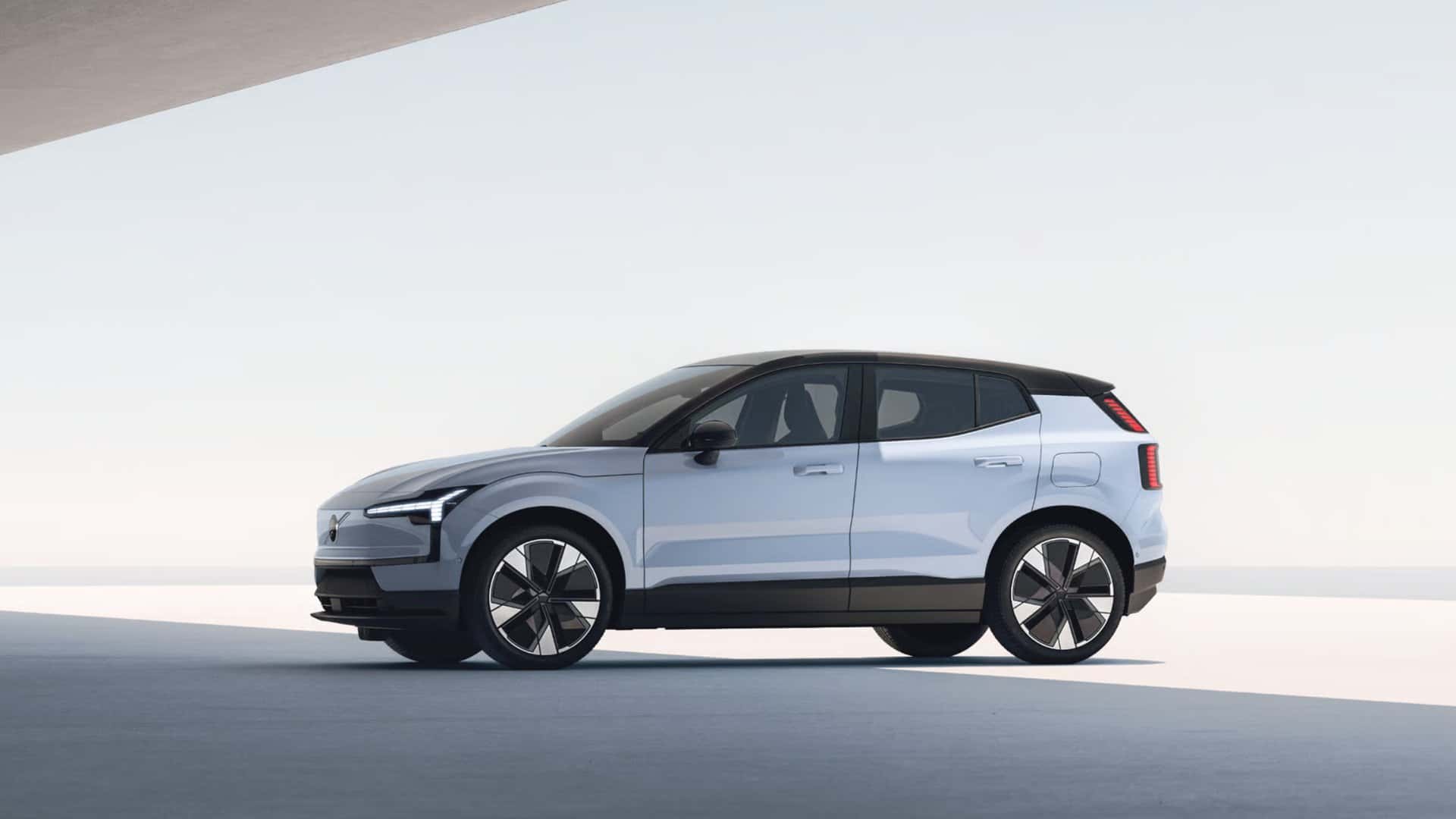
The 2026 Volvo EX30 is a compact, fully electric SUV engineered to deliver controlled performance, efficient energy usage, and a digitally centered driving environment within a reduced exterior footprint. This model is designed exclusively as a battery electric vehicle and does not offer internal combustion or hybrid alternatives. Its development emphasizes scalable electric architecture, advanced driver assistance integration, and optimized interior packaging. The 2026 Volvo EX30 supports five-passenger seating while maintaining exterior dimensions suitable for dense urban operation and controlled highway driving. All systems are configured to operate cohesively within a unified electrical and digital framework.
Electric Motor Configurations and Drivetrain Engineering
The 2026 Volvo EX30 is offered with multiple electric drivetrain configurations that share a common platform while delivering distinct performance characteristics. The Single Motor Extended Range variant utilizes a rear-mounted permanent magnet synchronous electric motor. This configuration produces 268 horsepower and delivers power exclusively to the rear wheels through a fixed single-speed transmission. Torque delivery is immediate and consistent due to the nature of electric propulsion, allowing predictable throttle response across varying speeds.
An available Twin Motor Performance configuration incorporates an additional front-mounted electric motor to establish all-wheel drive functionality. This dual-motor layout enhances traction management, especially during acceleration and low-grip surface operation. Power distribution between axles is electronically controlled to maintain stability and driving efficiency. The drivetrain architecture operates without traditional mechanical driveline components, reducing energy loss and mechanical complexity.
All powertrain variants integrate regenerative braking systems that convert deceleration energy into stored electrical energy. Regenerative braking intensity is calibrated to balance vehicle deceleration feel with energy recovery efficiency. This system functions in coordination with the hydraulic braking system to ensure consistent stopping performance across a wide range of driving conditions.
High-Voltage Battery System and Energy Management
Energy storage in the 2026 Volvo EX30 is managed by a floor-mounted lithium-ion battery pack designed to support both range capability and structural rigidity. The battery placement lowers the vehicle’s center of gravity, contributing to improved handling characteristics and reduced body roll during cornering. The battery enclosure is structurally reinforced and integrated into the vehicle platform to enhance impact protection and torsional stiffness.
The Single Motor Extended Range variant provides an EPA-estimated driving range of up to 261 miles under ideal conditions when equipped with standard wheel configurations. The Twin Motor Performance variant offers an estimated range of up to 253 miles, while the Cross Country specification delivers an estimated range of up to 227 miles due to drivetrain tuning and ride height adjustments. Range estimates are influenced by driving behavior, ambient temperature, wheel size, and auxiliary energy usage.
Battery thermal management systems regulate temperature during charging and driving to maintain performance consistency and battery longevity. The system actively monitors battery conditions and adjusts cooling or heating as needed. Preconditioning functionality can prepare the battery for optimized charging efficiency when navigating toward compatible charging stations.
Disclaimer: Single Motor: EPA-estimated range of up to 261 miles (MPGe: 127 city/ 104 highway/ 116 combined), Twin Motor Performance: EPA-estimated range of up to 253 miles (MPGe: 116 city/ 100 highway/ 109 combined), Cross Country Twin Motor Performance: EPA-estimated range of up to 227 miles (MPGe: 106 city/ 92 highway/ 99 combined). All ranges represent when the battery is fully charged and under ideal driving conditions. Ranges are for models equipped with 19-inch wheels. Your range and MPGe will vary for many reasons, including but not limited to, driving conditions, how and where you drive, how you maintain your vehicle, battery-package/condition, and other factors. Visit https://fueleconomy.gov for further information, but please note information on the Twin Motor Performance models may not be published yet.
Charging Capability and Electrical Architecture
The 2026 Volvo EX30 supports both AC and DC charging systems to accommodate diverse charging scenarios. Level 2 AC charging enables convenient overnight charging using home or workplace charging equipment. The vehicle’s onboard charger regulates current flow to protect battery health while maximizing charging efficiency.
For rapid energy replenishment, the 2026 Volvo EX30 supports DC fast charging using compatible public charging infrastructure. Under optimal conditions, the battery can charge from approximately 10 percent to 80 percent in about 26.5 minutes when connected to a 153 kW DC fast charger. Charging performance may vary based on environmental factors, battery temperature, and charger output.
The electrical architecture supports bidirectional communication between the vehicle and charging equipment, allowing real-time monitoring of charging status and estimated completion times. Charging information is displayed within the vehicle interface to support driver awareness and trip planning.
Disclaimer: Fast charge 10-80%. Charging times can vary and are dependent on factors such as outdoor temperature, battery temperature, charging equipment, battery condition and car condition.
Exterior Dimensions and Structural Design Strategy
The 2026 Volvo EX30 measures approximately 166.7 inches in overall length, 72.4 inches in width, and 61 inches in height. A wheelbase of 104.3 inches supports interior passenger space while maintaining compact exterior proportions. These dimensions enable efficient maneuverability in confined environments while providing sufficient cabin and cargo volume for daily use.
The body structure incorporates high-strength materials strategically positioned to manage impact forces and support structural integrity. Aerodynamic optimization is achieved through smooth surface transitions, controlled panel gaps, and airflow-guiding elements integrated into the exterior design. These features reduce drag and contribute to energy efficiency during sustained highway operation.
Wheel designs prioritize low aerodynamic resistance and structural efficiency. Standard wheel sizes are engineered to balance ride comfort, handling stability, and rolling efficiency without compromising braking performance.
Interior Architecture and Passenger Accommodation
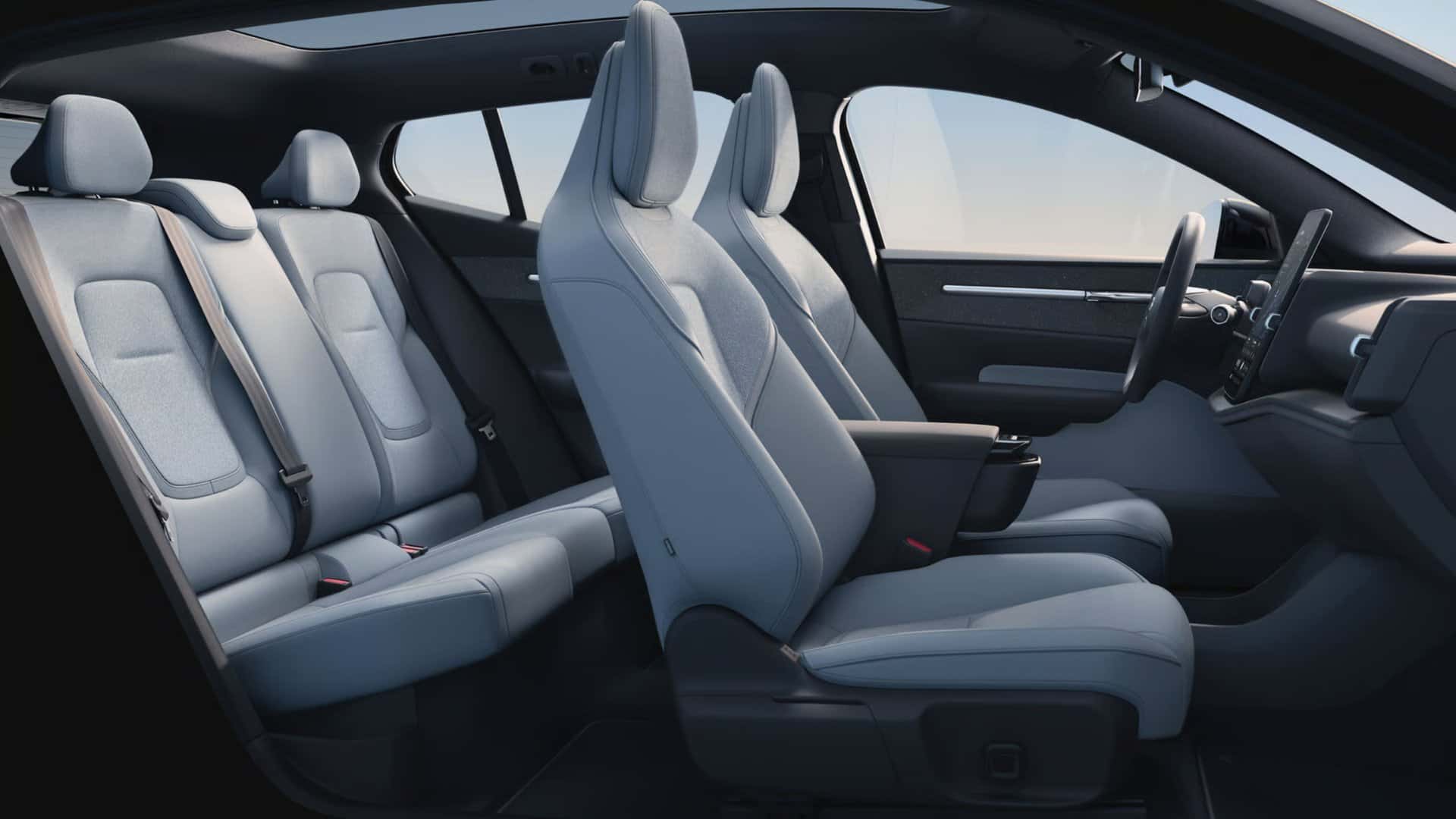
The interior layout of the 2026 Volvo EX30 is designed to maximize usable space within a compact footprint. The flat floor architecture made possible by the electric platform enhances legroom for both front and rear occupants. Seating is configured for five passengers, with seat structures designed to provide consistent support during extended driving periods.
Interior materials are selected to meet durability standards and align with Volvo’s sustainability objectives. Upholstery options and trim materials are engineered for long-term wear resistance while maintaining tactile consistency. Storage compartments are strategically positioned throughout the cabin to support daily usability.
Cargo capacity is optimized through efficient packaging and a configurable rear seating system. Rear seatbacks can be folded to expand cargo volume when transporting larger items. Load floor height and access angles are designed to facilitate practical loading and unloading.
Climate Control and Cabin Energy Efficiency
The 2026 Volvo EX30 utilizes an electrically driven climate control system that integrates with the vehicle’s overall energy management strategy. Heating and cooling functions are regulated to maintain cabin comfort while minimizing energy consumption. The system prioritizes efficiency by directing airflow and temperature control based on occupancy and environmental conditions.
Cabin preconditioning functionality allows drivers to adjust interior temperature while the vehicle is connected to a charging source. This reduces battery load during initial driving and supports range preservation. Air filtration systems are incorporated to maintain cabin air quality during operation.
Digital Cockpit and Infotainment Framework
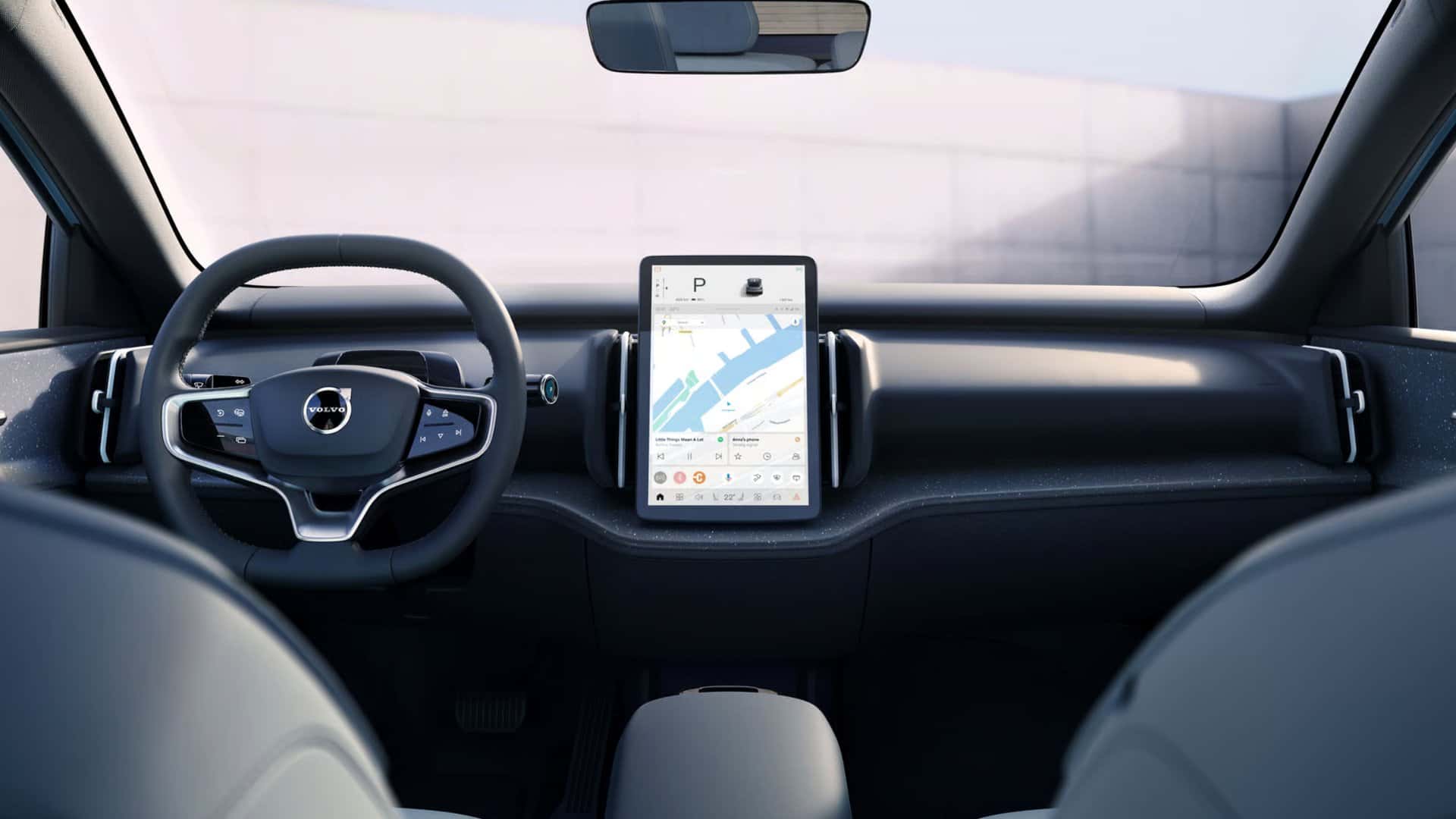
The 2026 Volvo EX30 features a centralized digital interface that consolidates vehicle controls, infotainment functions, and navigation systems. The system incorporates the Google built-in functionality, enabling access to Google Maps, Google Assistant, and Google Play applications directly through the vehicle display. Native integration allows for voice-activated controls and real-time navigation updates.
Wireless Apple CarPlay® compatibility is standard, supporting seamless smartphone integration without physical cable connections. The infotainment system supports over-the-air software updates, allowing system enhancements and feature updates to be deployed without dealership visits.
The digital instrument display presents essential driving data such as speed, range estimation, energy consumption, and driver assistance system status. Information is displayed in a structured format to support quick comprehension without unnecessary visual complexity.
Advanced Driver Assistance and Active Safety Systems
Safety systems in the 2026 Volvo EX30 are engineered to support collision avoidance and driver awareness through sensor-based monitoring. The vehicle incorporates forward-facing cameras, radar systems, and ultrasonic sensors to detect surrounding vehicles, pedestrians, and cyclists.
Adaptive Cruise Control maintains a set speed while adjusting to traffic conditions to preserve following distance. Pilot Assist functionality provides steering support under defined conditions to assist with lane centering. These systems operate as driver support technologies and require continuous driver supervision.
Additional safety technologies include blind-spot monitoring, rear cross-traffic alert, and automated emergency braking. A 360-degree camera system with three-dimensional visualization is available on select configurations to assist with low-speed maneuvering and parking alignment.
Chassis Dynamics and Ride Control Systems
The 2026 Volvo EX30 chassis is engineered to balance ride comfort with controlled handling response. Suspension tuning accounts for the additional mass of the battery system while maintaining predictable vehicle behavior across varied road surfaces. The low center of gravity improves stability during acceleration, braking, and cornering.
Electric power steering adjusts assist levels based on speed and driving conditions to maintain consistent steering feedback. Brake system calibration integrates regenerative braking with hydraulic braking to ensure smooth transitions and consistent pedal response.
Schedule a Test Ride at Volvo Cars of Hagerstown
Drivers interested in evaluating the 2026 Volvo EX30 can experience its electric drivetrain response, digital interface functionality, and safety technologies through a scheduled test drive at Volvo Cars of Hagerstown in Hagerstown, MD. A test drive allows direct assessment of acceleration behavior, regenerative braking characteristics, and ride stability under real driving conditions. The experience also provides insight into charging convenience, infotainment usability, and cabin ergonomics. Evaluating the 2026 Volvo EX30 in motion helps demonstrate how its electric architecture, driver assistance systems, and energy management features operate together as an integrated platform. Scheduling a test drive offers a practical opportunity to understand how the vehicle’s technical design supports everyday driving requirements.